Arkansas authorizes forestry personnel deployment to assist Oklahoma wildfires and Tennessee storm recovery operations
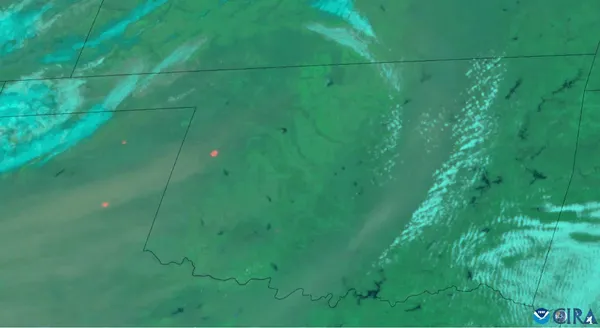
Regional mutual aid expands as wildfire danger rises in Oklahoma
Arkansas Gov. Sarah Huckabee Sanders has authorized the deployment of Arkansas forestry personnel to support wildfire response efforts in Oklahoma and storm recovery operations in Tennessee, as emergency managers across the region contend with active incidents and elevated weather-driven risk.
In Oklahoma, the State Emergency Operations Center has been activated amid ongoing fires and fire-weather conditions. State officials have coordinated response activity with multiple agencies, including Oklahoma Forestry Services, the National Weather Service, the Oklahoma National Guard, tribal governments and voluntary organizations involved in disaster work. Gov. Kevin Stitt issued an emergency declaration for three counties on Wednesday, Feb. 18, 2026, tied to wildfire impacts and conditions that began Tuesday.
Oklahoma emergency management officials have also asked residents affected by the fires to report property damage through a statewide online system as assessments continue.
How interstate forestry support is triggered and managed
The Arkansas deployment comes as states across the South prepare to share resources under established mutual-aid frameworks used during periods of heightened wildfire risk. On Feb. 18, 2026, the South Central Interstate Forest Fire Protection Compact was activated following forecasts of extreme fire behavior and concern that wildfire activity could outpace local response capacity in Oklahoma.
Compact activation is designed to speed the movement of firefighters and equipment across state lines while keeping participating states positioned to meet needs at home. In practice, resource levels and assignments can shift quickly as conditions change and as incident commanders identify operational gaps.
What Arkansas said about staffing and in-state readiness
Arkansas agriculture and forestry officials stated that local wildfire response capabilities would remain fully staffed and operational during the out-of-state deployments, with resources positioned to protect Arkansas communities while personnel assist neighboring states.
While Arkansas teams are sent to Oklahoma for wildfire support, the Tennessee assignment is focused on storm recovery work, reflecting the wider role forestry agencies often play beyond wildfire suppression, including debris removal and access restoration following severe weather.
Oklahoma wildfire response context: coordination and preparedness under scrutiny
Oklahoma’s wildfire response system has been the subject of recent state-level review efforts following major fires in 2025. In April 2025, Stitt announced a Wildland Fire Response Working Group intended to strengthen preparedness, mitigation and recovery planning. That backdrop has heightened attention on how resources are requested, deployed and coordinated when conditions escalate.
Key points for residents during active incidents
- Emergency declarations can expand access to response resources and speed coordination for impacted counties.
- Interstate deployments are typically temporary and adjusted as incident needs evolve.
- Damage reporting by residents supports local and state assessment efforts during early recovery.
Emergency managers in Oklahoma have urged residents impacted by wildfires to document and report damage as assessments proceed.