Arkansas, Florida and Louisiana deploy wildfire crews as Oklahoma battles March 2025 fire outbreak
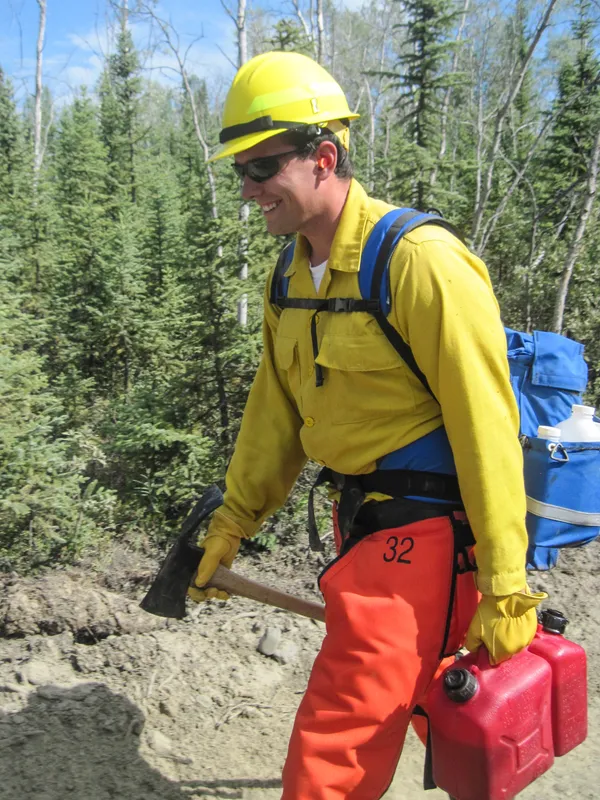
Regional mutual-aid agreements activated as fire danger intensifies
Oklahoma’s March 2025 wildfire outbreak prompted an interstate response after state officials requested additional firefighting resources through established regional mutual-aid compacts. Crews and equipment were mobilized from Arkansas, Florida and Louisiana as forecasters warned that strong winds, low humidity and dry fuels could rapidly expand existing fires and spark new ones.
The interstate mobilization was carried out under wildfire mutual-aid frameworks used by state forestry agencies to move personnel and specialized equipment across state lines when local capacity is strained. In this case, Oklahoma sought reinforcements as multiple fires burned in different parts of the state and fire weather warnings covered wide areas of the Southern Plains.
State emergency declaration and federal firefighting grants
On March 15, 2025, Oklahoma’s governor declared a state of emergency for 12 counties as wildfire activity and hazardous fire weather escalated. The declaration covered Cleveland, Creek, Dewey, Grady, Lincoln, Logan, Oklahoma, Pawnee, Payne, Pottawatomie, Roger Mills and Stephens counties, and allowed state agencies to expedite emergency purchasing and resource deployment while damage assessments continued.
As the response expanded, federal Fire Management Assistance Grants were approved to help reimburse eligible costs for suppression and related emergency operations tied to specific fires. The grants covered incidents in multiple counties, including fires associated with communities such as Stillwater, Luther, Guthrie, Chickasha and areas near Keystone.
Impacts: fatalities, injuries, and housing losses
By March 16, 2025, the state’s medical examiner had confirmed four fatalities connected to the fires or high winds, with deaths reported in Lincoln, Garfield, Haskell and Pawnee counties. Hospitals reported 142 fire- and wind-related injuries statewide by that date, as officials continued to track impacts while conditions remained volatile.
Damage reporting evolved over the following days as local and state teams assessed losses. During the same period, authorities and emergency partners reported hundreds of homes damaged or destroyed across affected communities, with some neighborhoods in north-central and central Oklahoma experiencing concentrated losses.
Why out-of-state resources matter
Wildfire response in Oklahoma often involves fast-moving grass and brush fires driven by wind, requiring a large number of engines, dozers, hand crews and overhead incident managers to protect homes and critical infrastructure. When fire activity peaks across multiple counties at once, additional strike teams from other states can provide:
- Engine and hand-crew capacity for structure protection and containment lines
- Specialized wildfire command and planning support
- Equipment such as dozers and tenders to improve water supply and fire breaks
The March 2025 outbreak showed how quickly Oklahoma’s fire environment can transition from initial attack to extended operations, requiring reinforcements beyond local and state inventories.
Fire officials continued emphasizing preparedness as the same weather patterns that drove the initial outbreak—high winds and very low humidity—were forecast to return, raising the risk of flare-ups and new ignitions even after crews made progress on containment.