Bitter Cold Lingers Across Oklahoma After Weekend Winter Storm, Creating Ongoing Travel and Safety Risks
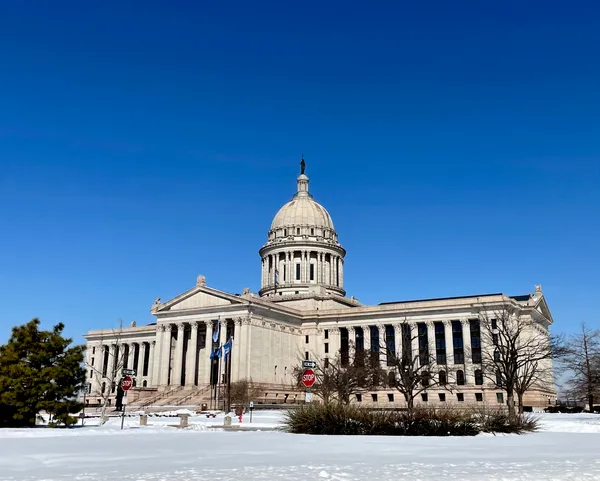
Arctic air remains in place after snow and sleet move out
Oklahoma began the workweek under lingering bitter cold after a weekend winter storm delivered an Arctic blast along with snow and areas of sleet. While the most intense precipitation had largely ended by Sunday, the cold air mass remained entrenched into Monday, keeping temperatures low enough to preserve ice and hard-packed snow on many surfaces.
Forecasters indicated that the cold would remain a primary concern even after the storm’s main band moved east, with subfreezing conditions persisting for days in parts of the state. That prolonged freeze increases the likelihood that any daytime melting will refreeze overnight, repeatedly recreating slick spots.
Roads improve slowly, but refreezing and black ice remain widespread concerns
State transportation officials warned that interstates, highways, bridges and overpasses were expected to refreeze, creating hazardous conditions that may not be obvious to drivers. Advisories issued Sunday and Monday emphasized that travel remained discouraged in many areas, particularly overnight and early morning when temperatures are lowest.
By Monday, transportation crews reported incremental progress, including at least one cleared lane on major corridors such as I-35 and I-40 in some stretches, while other lanes, ramps and secondary routes remained snow-packed or icy. Conditions were described as especially challenging where refreeze could occur even on roadways that appeared improved earlier in the day.
Black ice can form on bridges, overpasses and shaded road segments even when pavement looks merely wet.
- Travel was repeatedly discouraged statewide during and after the storm due to slick and hazardous conditions.
- Crews planned to continue plowing and treating roads around the clock, with full clearing expected to take several days.
- Drivers were instructed to avoid passing plows and to maintain significant distance behind road-clearing equipment.
Cold-weather safety: layering, limiting exposure, and carbon monoxide awareness
Emergency guidance for extreme cold focuses on reducing exposure and preventing rapid heat loss. Safety recommendations stress dressing in multiple layers, covering the head, hands and neck, and staying dry—wet clothing accelerates heat loss. Officials also urge frequent warm-up breaks indoors and heightened attention to early warning signs of hypothermia and frostbite.
Another recurring warning during cold snaps and power outages involves carbon monoxide risk. Homes relying on alternative heating sources must ensure proper ventilation and avoid using ovens, stoves or generators indoors.
Municipal operations resume gradually as cleanup continues
As roadway conditions slowly improved, some city services announced phased reopenings and adjusted schedules. In Tulsa, several public-facing operations were planned to reopen Tuesday, while residents were urged to remain cautious on snow- and ice-covered trails and to avoid frozen creeks and ponds.
Across Oklahoma, the combination of lingering cold and patchy improvement on major routes suggested that the post-storm period would remain a safety and mobility challenge, with refreezing likely to extend impacts beyond the storm’s departure.