Central Oklahoma regional transit authority rebrands as One Transit while commuter rail remains years from launch
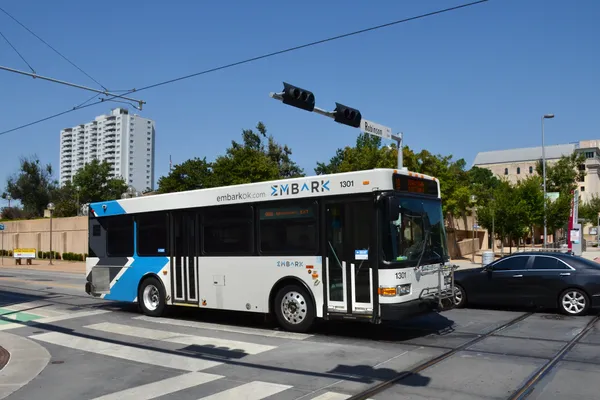
A new public-facing identity for a long-term regional transit project
The Regional Transportation Authority of Central Oklahoma has introduced a new name and brand identity: One Transit. The change is intended to present a clearer public message for a multi-jurisdiction transit effort involving Oklahoma City, Edmond and Norman, as the authority continues planning work that could culminate in a voter funding request and, later, construction of a commuter rail system.
The authority was formed in 2019 to plan and develop regional high-capacity transit. Its governing framework allows it to pursue a dedicated local revenue source, but that revenue must be approved by voters in a special election.
What One Transit is planning
The authority’s stated vision centers on a commuter rail line of nearly 40 miles with roughly 11 stops, linking north Edmond through Oklahoma City to south Norman. Planning materials and prior public discussions have described using an existing freight railroad right-of-way, with a downtown Oklahoma City hub concept tied to the historic Santa Fe Depot.
Recent public timelines remain long. Authority leadership has indicated a goal of going to a regional referendum in early 2027 for a sales tax measure that would serve as a local match for the project. If funding is secured and subsequent design and construction proceed, leaders have said full operations could still be 7 to 10 years away.
- Potential funding mechanism: a regional sales tax approved by voters in a jointly called special election.
- Eligible uses of the tax: planning, financing, construction, maintenance and operation of transportation projects, within defined limits on duration.
- Scale described by the authority: nearly 40 miles and about 11 stations.
Funding and governance constraints
State law authorizes transportation authorities to seek a sales tax of up to 2% within the district, but only after approval by a majority of voters casting ballots. The law also requires ballot language to specify the tax’s duration and limits the use of proceeds to the purposes presented to voters.
Those constraints put public confidence and clarity at the center of any campaign. The authority’s leadership has said the previous name was cumbersome and did not clearly convey the organization’s purpose, prompting the shift to One Transit as a simpler umbrella for public outreach and future ballot messaging.
Cost of the rebrand and what comes next
Authority leadership has placed the cost of the rebranding effort at about $200,000, covering the new identity rollout and related materials.
In the near term, the rebrand does not change existing local transit operations, which remain provided through established city and regional services. The One Transit identity is tied to the authority’s longer-range work: advancing studies, strengthening eligibility for federal participation, and assembling a local revenue proposal capable of winning voter approval.
Key dates: the authority was formed in 2019; leaders have pointed to an early 2027 target for a regional sales tax referendum; full commuter rail service has been described as a 7-to-10-year horizon after major funding decisions.