Downed power line closes lanes on Interstate 35 in Norman, triggering major traffic delays and detours
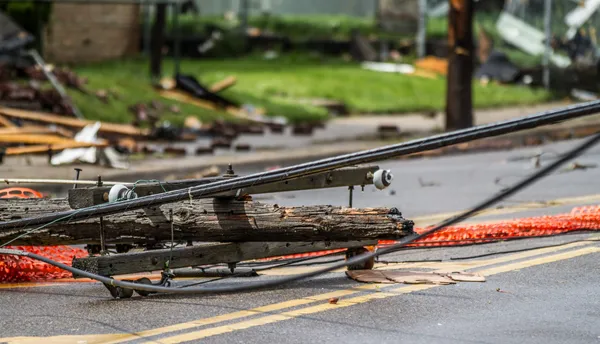
Traffic disruption on a key Oklahoma corridor
Lanes of Interstate 35 in Norman were shut down after a power line came down across or near the roadway, prompting an emergency response and forcing drivers into significant slowdowns and detours. Interstate 35 is one of the busiest north–south routes in Oklahoma, and incidents involving electrical infrastructure can require rapid lane closures to protect motorists and allow utility crews to make the scene safe.
Why downed lines can close highways quickly
A downed line is treated as energized until utility personnel confirm otherwise. That safety assumption typically leads to immediate traffic control measures, including temporary shutdowns or lane reductions, to prevent vehicles from contacting wires or pulling them with passing traffic. In highway environments, the risk is compounded by speed, limited shoulder space and the possibility that other lines—such as communications cables—may be tangled with electrical wires.
Response priorities: safety, scene control, restoration
Standard practice in these incidents is to secure the area, stop or reroute traffic, and coordinate with electric utility crews who can de-energize, remove or repair the line. Because the exact hazard depends on where the wire falls—across travel lanes, on the shoulder, or entangled on barriers—closures may vary from a single lane to a full directional shutdown. The work can also affect nearby ramps and frontage roads if responders need additional space for staging equipment.
- Traffic control: reducing the chance of vehicle contact with wires or damaged poles.
- Electrical safety: verifying whether the line is energized and isolating it from the grid.
- Clearance and repair: removing the hazard and restoring infrastructure once conditions are safe.
What drivers should do in similar situations
Drivers are advised not to drive over downed lines, not to approach them on foot, and to keep a wide distance until the area is secured by emergency responders and utility crews.
In the Oklahoma City metro area, wind and severe-weather conditions have previously contributed to powerline damage and related traffic problems. Even when the initial hazard appears localized, traffic backups can expand quickly on I-35, especially near interchange areas and work zones, where lane capacity is already constrained.
Broader context for the Norman area
The I-35 corridor through Cleveland County has been the focus of ongoing transportation planning and construction activity in recent years, including improvements around the State Highway 9 interchanges. When a sudden incident like a downed line occurs, those existing bottlenecks can intensify delays as drivers divert onto surface streets or seek alternate routes.
Motorists traveling through Norman are encouraged to monitor official traffic advisories, allow extra travel time when incidents occur, and avoid blocked corridors to reduce gridlock and provide emergency crews the space needed to work safely.