EPA Region 6 administrator outlines priorities for Oklahoma and Texas in wide-ranging, unedited interview
Why EPA Region 6 leadership matters to Oklahoma and Texas
The U.S. Environmental Protection Agency’s Region 6 office, based in Dallas, is the federal agency’s hub for environmental oversight and partnerships across Oklahoma, Texas, Arkansas, Louisiana and New Mexico. Region 6 also works with dozens of Tribal nations across the South Central U.S., making its leadership central to how federal environmental policy is carried out locally.
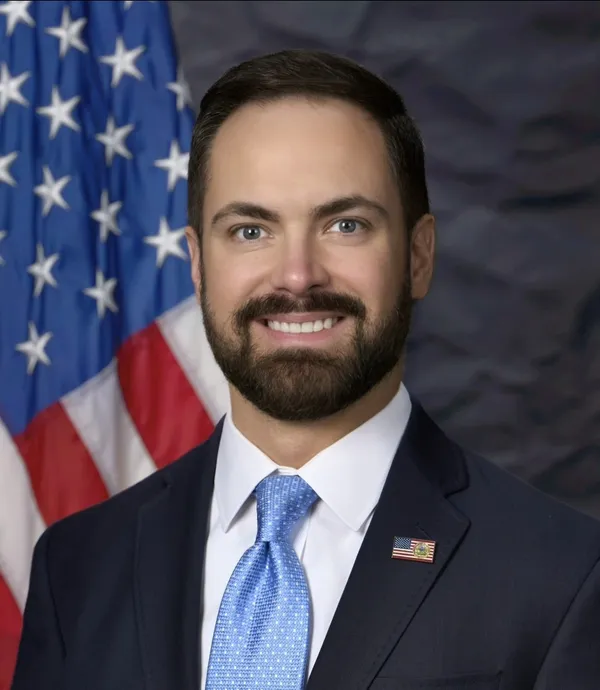
Scott Mason, a fifth-generation Oklahoman, serves as EPA’s Region 6 regional administrator. He was appointed on Jan. 20, 2025, and leads federal environmental protection efforts for nearly 50 million residents across the five-state region. Mason previously held federal and state roles, including leadership of EPA’s American Indian Environmental Office and service in Oklahoma state government.
Signals from Washington and the on-the-ground agenda
Recent EPA activity in Oklahoma has highlighted two major themes: redevelopment of contaminated properties and a regulatory posture emphasizing coordination with state leaders and regulated communities. In April 2025, EPA leadership visited Oklahoma City to spotlight Brownfields cleanups tied to reuse projects, including Scissortail Park and a Bricktown site that involved remediation related to oilfield waste. Brownfields funding is intended to help communities assess, clean up and reuse properties complicated by real or perceived contamination.
In May 2025, Mason joined Oklahoma’s Secretary of Agriculture, Blayne Arthur, in a forum with local farmers and ranchers focused on how the agency can better address agricultural stakeholders’ needs. The meeting was framed around reducing regulatory friction while maintaining EPA’s statutory mission to protect human health and the environment.
Issues likely to shape EPA engagement in Oklahoma and Texas
While region-wide environmental work spans air, water and land programs, several policy areas are poised to draw particular attention in Oklahoma and Texas due to their economic profiles and longstanding federal-state tensions over environmental regulation.
Waters of the United States (WOTUS): The definition influences permitting and compliance obligations for landowners and industries. Ongoing federal reconsideration efforts have direct implications for agriculture and development across the region.
Chemical oversight and pesticides: EPA reviews and approvals affect farm operations, industrial compliance and public health protections, with pressure on the agency to resolve backlogs and provide regulatory clarity.
Site cleanup and reuse: Brownfields and other cleanup programs can accelerate redevelopment, but typically require coordination across local governments, state agencies and federal regulators.
What Region 6’s approach suggests for the year ahead
EPA’s recent public-facing events in Oklahoma point to a model built around high-visibility project visits, expanded stakeholder outreach and a push for implementation that emphasizes state collaboration. For Oklahoma and Texas, the practical impact will depend on how Region 6 balances enforcement, permitting and technical assistance, particularly on water jurisdiction questions, chemical reviews and cleanup timelines for legacy industrial and energy-related sites.
Region 6’s near-term direction can be measured through concrete outcomes: permitting decisions, cleanup milestones, enforcement actions and the pace of guidance issued to regulated sectors.
For residents, local governments and businesses, those outcomes will determine whether announced priorities translate into faster remediation, clearer regulatory expectations and measurable improvements in environmental conditions.