Fire crews battle multiple Oklahoma wildfires as drought, wind and low humidity raise statewide risk
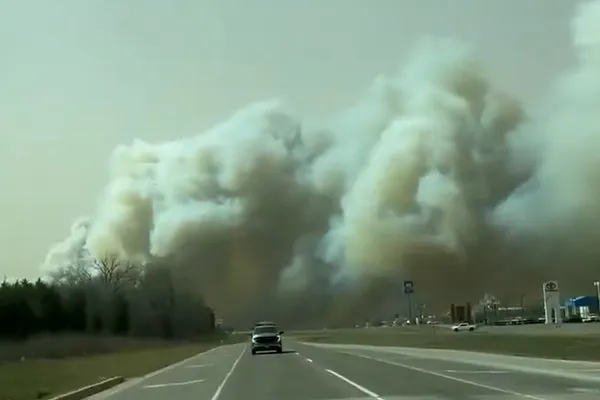
Active fire response expands across Oklahoma
Fire crews across Oklahoma have been engaged in an extended period of wildfire response during late winter and early spring, as very dry fuels and recurring wind events have increased the likelihood of fast-moving grassfires. State-level coordination has involved local fire departments, Oklahoma Forestry Services, emergency management officials, transportation and public safety agencies, and support partners mobilized as conditions have intensified in multiple regions.
In late February 2026, state officials implemented emergency measures to speed delivery of water, hay and other livestock feed to areas affected by wildfires. At the same time, consumer protection provisions associated with an emergency declaration were activated in several northwest Oklahoma counties impacted by fires, restricting certain price increases for goods and services during the declared period.
Weather pattern drives ignition risk and rapid spread potential
Recent fire weather has been shaped by the combination of low relative humidity, above-normal temperatures and gusty winds, conditions that can allow fires to start easily and spread quickly in cured grasses and brush. Regional drought indicators have also shown notable precipitation deficits across parts of Oklahoma in recent months, a factor that can lower fuel moisture and increase receptiveness to ignition.
Operationally, Oklahoma’s wildfire season risk is often heightened during March, when strong winds are common and fine fuels can carry fire rapidly across rangeland. Fire managers have emphasized that short periods of higher humidity or precipitation can provide temporary tactical windows, but those improvements can be brief when dry air and wind return.
Mutual aid and cross-border resource sharing
As fire potential elevated across the southern Plains, interstate resource-sharing agreements were activated to enable movement of personnel and equipment across state lines when wildfire activity threatens to exceed local capacity. Such arrangements are designed to strengthen initial attack and extended suppression operations while helping maintain readiness in neighboring states.
How Oklahoma’s response system is structured
Oklahoma’s wildfire response model relies heavily on local fire departments for suppression across much of central and western Oklahoma, with state coordination and support when local capacity is exceeded. Oklahoma Forestry Services serves as the state’s coordinating lead for wildland firefighting support functions, including mobilizing additional resources, pre-positioning assets based on expected fire behavior, and integrating assistance when approved, including aviation resources and the Oklahoma National Guard for specific missions.
Emergency management officials have emphasized that wildfire incidents are executed locally, managed with state coordination when needed, and supported federally when circumstances meet eligibility thresholds.
Public safety and damage reporting
Officials have urged residents in affected areas to prioritize evacuation readiness, avoid activities that can spark fires during high-risk periods, and report property damage through state channels when wildfires impact homes, outbuildings, fences, pasture and equipment. Agricultural communities have faced recurring impacts, including burned grazing land and damaged fencing, while some incidents have required rapid logistics to protect livestock and maintain access to feed and water.
- Monitor fire weather alerts and follow local emergency instructions.
- Avoid outdoor burning and ignition sources during periods of very low humidity and high wind.
- Document and report damages promptly to support response and recovery coordination.
Wildfire conditions are expected to remain variable as Oklahoma moves deeper into spring, with risk rising quickly on days when dry air and wind overlap with receptive fuels.