Gov. Stitt urges statewide vote to freeze property-tax growth, raising questions about local services funding stability
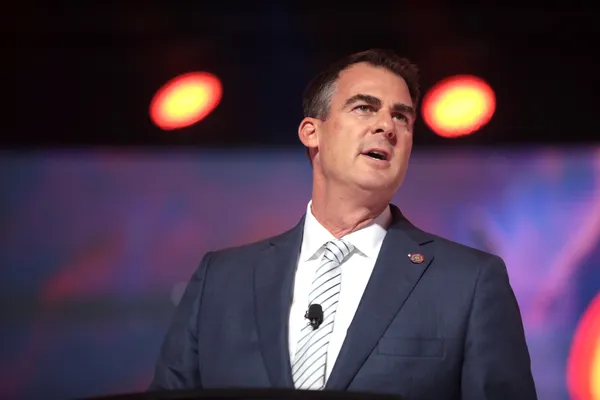
Proposal introduced in final State of the State address
Gov. Kevin Stitt is urging lawmakers to send a statewide ballot measure to voters that would freeze the growth of property taxes across Oklahoma. He framed the idea as a response to rising home values and the resulting tax pressure on households, particularly as more people move into the state and housing demand increases.
The governor’s call was delivered during his 2026 State of the State address on Feb. 2, 2026, where he asked the Legislature to “send it to the people” through a state question process. The governor did not release detailed implementation language in the address, leaving key design elements—such as what would be frozen, how long, and whether exceptions would apply—unresolved.
Why property taxes are central to local budgets
In Oklahoma, property taxes are a core revenue stream for a wide range of local and regional public services. These collections support public schools and CareerTech centers, along with county government operations that can include functions such as public health and library services. A statewide change that slows or halts growth in property-tax collections could therefore shift budget decisions to school boards, counties, cities, and other local entities that rely on those funds.
Legislative leaders have signaled interest in exploring tax relief while also weighing how a broad freeze could affect local governments’ ability to fund day-to-day operations and long-term obligations.
How a freeze differs from existing relief programs
Oklahoma already has targeted programs that reduce or limit taxable value growth for certain homeowners. For example, homestead exemptions reduce a portion of assessed value for qualifying primary residences, and some programs are designed to help seniors by freezing the taxable (assessed) value of a home under specified eligibility criteria. These programs generally focus on assessed value rather than guaranteeing that the total tax bill will not rise, since tax rates and local funding needs can change.
A statewide “freeze property tax growth across the board,” as described by the governor, would represent a broader approach than existing targeted exemptions, potentially affecting homeowners, businesses, and local taxing jurisdictions differently depending on how the measure is drafted.
Related efforts underscore a broader property-tax debate
The governor’s proposal lands amid wider public debate over property taxes in Oklahoma, including separate efforts aimed at significant reductions. Recent discussions have included proposals that would phase down or eliminate certain property taxes over multiple years, highlighting ongoing tension between tax relief goals and the fiscal role property taxes play in funding local services.
Key policy questions lawmakers would need to answer
- What, specifically, would be frozen: tax rates, taxable value growth, or total collections?
- Whether the freeze would apply uniformly across counties, municipalities, and school districts.
- How local entities would manage funding needs if collections cannot keep pace with inflation, enrollment growth, or service demands.
- Whether exemptions would be allowed for bonded debt and other long-term obligations.
The governor’s request sets the stage for a legislative debate over how to deliver broad-based property-tax relief while preserving stable funding for schools and essential local services.