Homeland plans to close and consolidate multiple Oklahoma grocery stores amid supply disruptions and financial pressures
Store closures expand as Homeland restructures its Oklahoma footprint
Homeland, the employee-owned grocery chain headquartered in Oklahoma City, is moving to close and consolidate several locations in Oklahoma as it works through a period marked by inventory disruptions and financial pressure. The latest round of store actions follows earlier announcements that targeted underperforming sites and signaled a tighter focus on markets viewed as more sustainable.
The company previously identified four Oklahoma locations for closure—Pauls Valley, Jay, Kingfisher and Ponca City—citing store-level financial performance and limited long-term potential. In that same action, a related grocery location in Georgia was also slated to close, reflecting a broader effort to direct resources toward stores expected to perform better over time.
Inventory shortages and leadership transition frame the consolidation effort
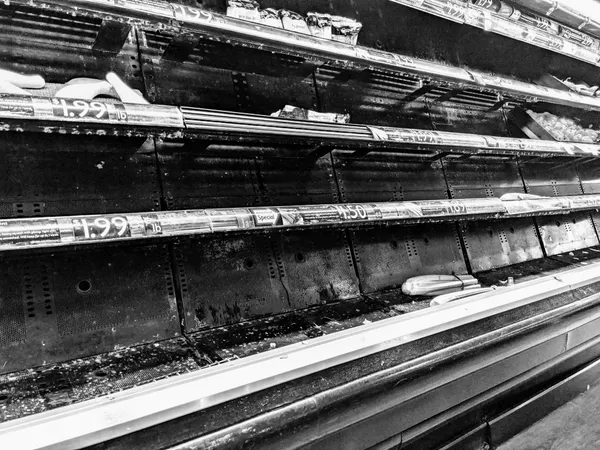
In late 2025, shoppers across parts of Oklahoma reported bare shelves at some Homeland stores. The company publicly attributed the disruptions to a combination of supply challenges and financial pressures that intensified during the second half of the year and extended into the holiday season, traditionally one of the busiest periods for grocery retailers.
Homeland said it entered the new year under new leadership with a stated focus on restoring basics such as cleaner, better-stocked stores and consistent service. The consolidation and closure strategy aligns with a common retail approach during operational stress: reduce exposure to weaker locations while prioritizing stores with stronger demand, better logistics, or more favorable long-term economics.
What the closures mean for communities and workers
For smaller towns, the loss of a full-service grocery store can reshape access to everyday essentials, particularly for residents with limited transportation options. At the same time, chains often argue that concentrating investment in fewer sites helps stabilize remaining stores and preserves more jobs overall than a broader, slower decline across the network.
- Locations previously identified for closure in Oklahoma include stores in Pauls Valley, Jay, Kingfisher and Ponca City.
- Company statements tied the decisions to financial performance and long-term outlook at the store level.
- Inventory issues in parts of the chain were linked to supply constraints and financial strain during 2025.
Background: a long-running Oklahoma chain navigating repeated reinvention
Homeland traces its modern history to becoming an independent company in 1987, followed by a 2002 bankruptcy and a turnaround under new ownership. In the early 2010s, the business moved into an employee stock ownership structure, a model that can align company performance with employee retirement outcomes but also ties workers more closely to the company’s financial stability.
Company communications during the inventory disruption period emphasized restoring well-stocked stores and consistent service while pursuing steps intended to stabilize operations.
As consolidation continues, key questions for Oklahoma communities will include whether remaining stores can return to consistent in-stock conditions, how quickly the company can normalize supply relationships, and what grocery alternatives emerge in towns affected by closures.