How Oklahoma drivers can reduce risk on icy roads before, during and after winter storms
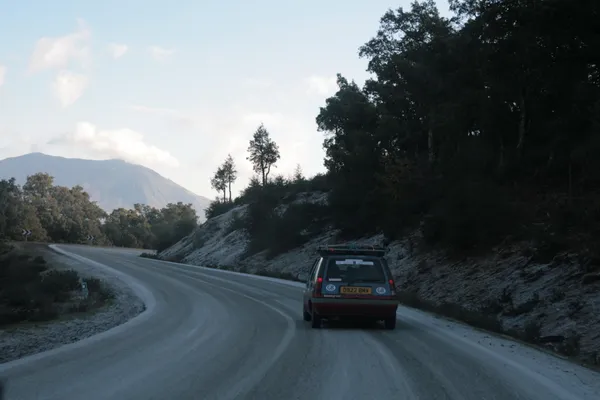
Winter weather turns routine commutes into high-risk travel across Oklahoma
Snow, sleet, freezing drizzle and rapid temperature drops can change driving conditions in Oklahoma within minutes. Ice is often the primary hazard: it reduces traction, lengthens stopping distance and can be difficult to spot, particularly at night and early morning. Elevated roadways, including bridges, ramps and overpasses, can freeze sooner than nearby pavement because cold air circulates above and below their surfaces.
Transportation and safety guidance consistently emphasizes that the safest choice is to avoid unnecessary travel during active winter weather and immediately after conditions deteriorate. When travel cannot be postponed, preparation and speed management are central to reducing crash risk.
Before leaving: preparation that affects safety and response time
- Check current road and traffic conditions using the state’s road-conditions tools, including the Drive Oklahoma system and mobile app, which provide roadway status and camera access during inclement weather.
- Clear all windows, mirrors, headlights and taillights, and remove snow and ice from the vehicle roof so it does not blow onto other drivers.
- Keep fuel levels high enough to handle delays and potential detours; winter congestion and slow travel can increase fuel use.
- Inspect essentials that commonly fail in cold weather, including tires (pressure drops as temperatures fall), battery performance, wiper blades and winter-rated washer fluid.
On the road: the practices that prevent loss of control
In snow and ice, drivers are advised to reduce speed well below normal and increase following distance to create time for gradual braking. Abrupt steering, acceleration or braking can break traction and trigger a skid. Cruise control is discouraged on slick surfaces because it can contribute to loss of traction when conditions change.
Drivers should also anticipate isolated slick spots. Bridges and ramps are frequent trouble areas, and shaded stretches can remain icy even when nearby pavement looks clear. Headlights should be used in low visibility and during winter weather to improve the ability to see and be seen.
Key principle: slow down before entering a potentially icy section. Changing speed while on ice can increase the chance of sliding.
If a vehicle begins to slide, guidance generally emphasizes staying calm, easing off the accelerator and steering in the direction the vehicle is sliding until traction returns. Stopping distances can be significantly longer on icy pavement, making early, gentle braking essential.
Snowplows and emergency situations: what to do if conditions worsen
Drivers are urged to give road-clearing equipment substantial space, avoid passing, and never drive beside plows that may change lanes or make wide turns. If travel becomes unsafe and a driver is stranded, the recommended response is to remain with the vehicle, use hazard flashers, and seek help while conserving fuel.
- Run the engine only in short intervals for heat and ensure the tailpipe remains clear to reduce the risk of carbon monoxide buildup.
- Carry a winter emergency kit, such as an ice scraper, jumper cables, flashlight, blankets, water, high-energy food, first-aid supplies, and traction material like sand or cat litter.
Winter driving in Oklahoma often hinges on small decisions—when to travel, how much space to leave, and how steadily to operate the vehicle—that collectively determine whether drivers can avoid the most common causes of winter crashes.