Human remains found at University of Oklahoma life sciences lab site prompt halted construction and investigation
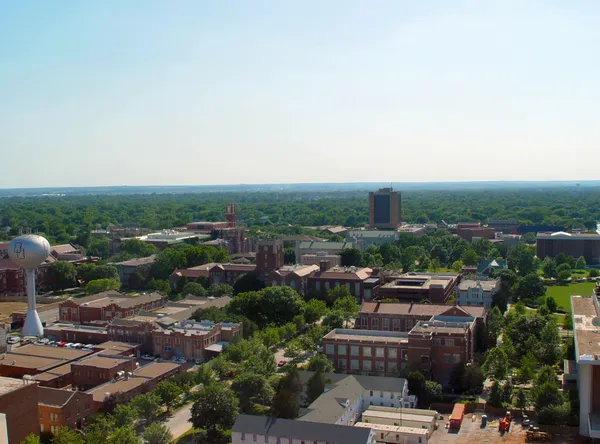
Discovery halted work at Norman campus project
Construction crews working on the University of Oklahoma’s future Life Sciences Laboratories Building in Norman uncovered human remains on Thursday, Feb. 19, 2026, triggering an immediate stop to work and a law-enforcement notification, university officials said.
A preliminary evaluation has found no indication of criminal activity. Early indications suggest the remains could date to the early 1900s, placing them at roughly 120 years old, though officials emphasized the investigation is continuing and conclusions are not final.
What is known about the construction site
The remains were found at the site of a major campus project intended to expand teaching and research capacity in the life sciences. The Life Sciences Laboratories Building, a 105,000-square-foot facility planned for the Norman campus, is designed to include 25 teaching laboratories, a large lecture auditorium and additional classroom and research space. The university has said construction is expected to be completed in fall 2027.
The building is planned for the former location of Sutton Hall, a detail that places the discovery within an area of long-standing campus development and redevelopment—conditions that can sometimes expose previously undocumented burials or historic-era human remains during excavation.
How investigations typically proceed when remains are found
In Oklahoma, discoveries of human remains—particularly in unmarked contexts—generally require work to pause while authorities determine whether the remains are modern or historic and whether any crime may be involved. University officials said they notified law enforcement and the State Medical Examiner’s Office and that they would continue to follow legal and regulatory requirements.
University officials said the remains would be handled with “care, dignity, and respect” as the review continues.
Legal and regulatory issues that may shape next steps
Oklahoma law provides protections for human remains and associated items in unmarked graves and sets expectations for reporting and limiting additional disturbance once remains are encountered. Those provisions can affect the sequencing of on-site work, documentation, and any consultation or specialized examination needed to determine age, identity, and context.
Separately, the Office of the Chief Medical Examiner’s statutory role includes scientific investigation of deaths as defined by state law, which can include evaluating remains to help determine origin and circumstances before any determination about disposition is made.
What remains unclear
Whether the remains represent a single individual or multiple individuals.
The precise age of the remains and the method used to estimate an early-1900s timeframe.
How the discovery may affect the project schedule, including whether additional site work will be required.
University officials have said the investigation is in its early stages. Any timeline for resuming full construction activity will depend on investigative findings and compliance steps still underway.