Iranian American in Oklahoma weighs Iran airstrikes, communication blackout fears, and hopes for a political transition
A local perspective amid a fast-moving international crisis
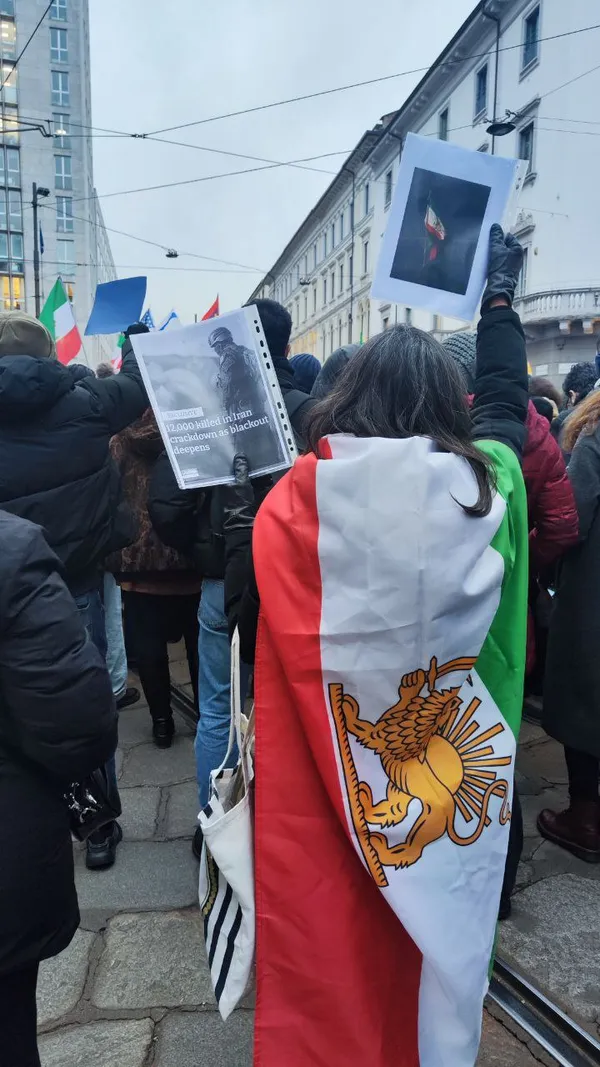
An Iranian American living in Oklahoma City is describing a mix of anxiety and guarded hope after airstrikes in Iran coincided with a sudden inability to reach relatives there. The developments have prompted renewed attention in Oklahoma to both the immediate humanitarian effects of instability inside Iran and the broader question of what, if anything, could follow politically.
Nima Tajbakhsh, who moved from Iran to the United States in 2001, said the pressure on families with ties to Iran can intensify quickly when communications are disrupted. He said he was briefly unable to reach his grandmother and other relatives after phone lines were cut, heightening fears about their safety and ability to move freely.
“They cut off the phone lines… my grandmother still lives in Iran. I couldn’t even talk to her… and she can’t leave the house,” Tajbakhsh said.
Concerns for ordinary Iranians and uncertainty about what comes next
Tajbakhsh framed his worries around the day-to-day conditions faced by ordinary people in Iran, including economic constraints and limited opportunity. He cited family experiences that he said reflect longer-running problems under Iran’s current political system, including difficulties finding stable, relevant employment even with higher education credentials.
Alongside those concerns, Tajbakhsh said he and other Iranian Americans he knows are weighing the possibility of political change against the risk of retaliation and further instability. He also expressed apprehension that Iran’s clerical leadership could attempt to reassert control by naming a successor and escalating repression or retaliation.
Oklahoma delegation responds as national debate intensifies
Oklahoma’s federal elected officials publicly addressed the strikes in statements that emphasized national security and support for U.S. forces.
- Rep. Tom Cole described the moment as a “time of reckoning” for leaders and groups that have chanted “death to America.”
- Sen. James Lankford said Iran has long threatened the United States and its allies, and that the actions underscore the seriousness of that threat.
- Sen. Markwayne Mullin voiced support for U.S. troops, calling them the “greatest peacekeeping force in history,” and said he was praying for their protection.
Hopes for a non-monarchical, secular transition
Tajbakhsh said his preferred outcome is not a restoration of monarchy but a peaceful transition toward a secular, democratic system—an aspiration he acknowledged is uncertain and dependent on conditions inside Iran. He added that his family was later able to make contact with relatives in Iran, who said they were safe at that time.
For Oklahoma’s Iranian American community, the coming days are likely to be shaped by two competing realities: rapidly changing events on the ground in Iran and the slower, personal struggle of staying connected to loved ones amid communication limits, fear of escalation, and unanswered questions about governance after major military and political shocks.
Greater Oklahoma City Chamber weighs State Question 843 proposal to phase out homestead property taxes statewide
Oklahoma victim service providers brace for reduced VOCA aid as federal Crime Victims Fund contracts
Thunder, Rain, and the Future of Farming: Your OKC Morning Briefing