Lankford focuses on Oklahoma voter-roll maintenance and federal SAVE Act citizenship proof requirements for registration
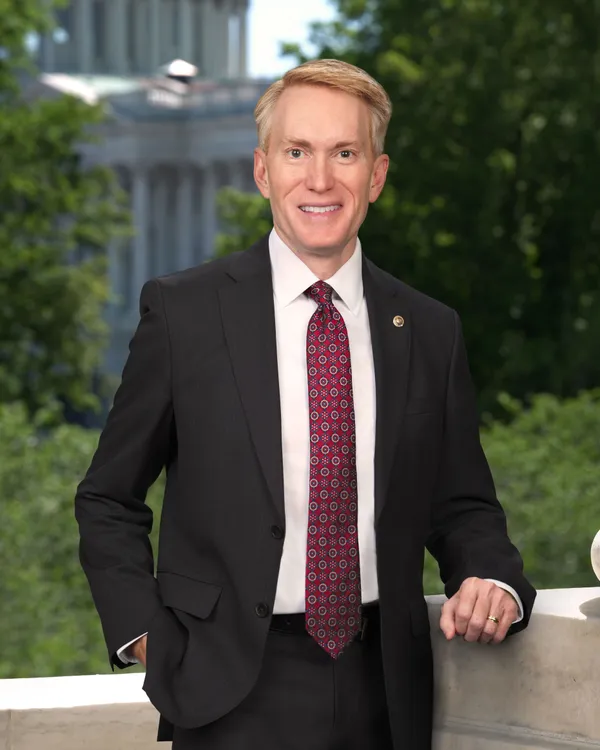
Oklahoma’s voter-roll practices and a new federal proposal
U.S. Sen. James Lankford, R-Oklahoma, has intensified his public focus on two connected issues: how Oklahoma maintains its voter-registration lists and a federal proposal known as the Safeguard American Voter Eligibility Act, often called the SAVE Act. The debate comes as Congress considers whether to impose new nationwide requirements that would change how Americans register to vote in federal elections.
Federal law already restricts voting in federal elections to U.S. citizens. The policy dispute centers on whether the registration process should require documentary proof of citizenship and how that requirement would be implemented across states with different election systems.
What Oklahoma is doing now with voter-roll maintenance
Oklahoma conducts periodic, legally required voter-list maintenance. In January 2025, the Oklahoma State Election Board reported its biennial maintenance removed 129,680 inactive voter registrations and 2,242 duplicate registrations. The state also uses address confirmation notices as part of routine list maintenance. Voters who receive such notices can respond by mail or online to avoid being marked inactive; voters who do not respond and have no voter activity through two consecutive general elections for federal office are scheduled for removal after the 2028 General Election under the process described by election officials.
- January 2025 biennial maintenance: 129,680 inactive registrations removed; 2,242 duplicates removed.
- Address confirmation notices are tied to inactivity and potential removal after the 2028 General Election if there is no voter activity and no response to notices.
Separately, the Governor’s office stated in September 2024 that more than 453,000 voter registrations had been removed since 2021 through multiple categories such as deaths, moves out of state, duplicate registrations, felony-related removals and cancellations resulting from address verification.
What the SAVE Act would change
The SAVE Act proposal would require applicants to present documentary proof of U.S. citizenship to register to vote in federal elections. It would also affect some updates to existing registrations. Descriptions of the bill’s acceptable documentation have included items such as a U.S. passport, certified birth certificate, and certain government-issued identification documents when paired with proof of birthplace.
Implementation details have drawn scrutiny because many state-issued driver’s licenses do not list birthplace or indicate citizenship status, even when compliant with federal REAL ID standards. That has raised questions about how states would verify citizenship through the documents most commonly held by eligible voters.
The Senate’s procedural landscape remains central to the bill’s prospects. In March 2026, Senate Majority Leader John Thune said the Senate would consider the legislation but indicated the votes were not there to advance it through the filibuster threshold without a change in Senate rules.
Key points of contention raised in the public debate
Supporters frame the bill as a uniform national safeguard intended to ensure that only eligible citizens are added to federal-election rolls. Opponents argue it could create barriers for eligible voters who do not readily have access to citizenship documents or who face complications matching documents to their current legal name, including some voters who have changed names after marriage or divorce.
Lankford’s comments have placed the Oklahoma voter-roll context alongside the federal proposal, emphasizing verification and list accuracy as the debate continues in Congress.