Large House Fire in Southeast Oklahoma City Challenges Crews Amid Snow, Rural Water Supply Limits
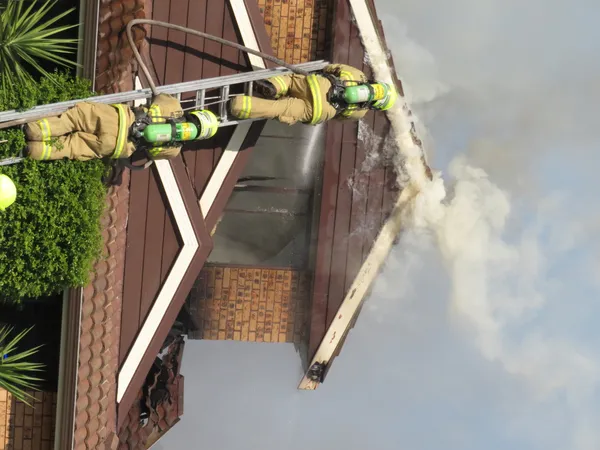
Fire reported near SE 134th Street and South Choctaw Road
A residential fire sent heavy smoke and flames above a snow-covered home in southeast Oklahoma City on Sunday, Jan. 25, 2026, drawing a response from the Oklahoma City Fire Department. The fire was reported near SE 134th Street and South Choctaw Road, east of Lake Stanley Draper, at about 10:15 a.m.
Aerial video from a news helicopter showed flames pushing through the roofline and thick, dark smoke rising above the property as crews arrived and began positioning hose lines. Firefighters indicated the occupants first noticed fire activity in the garage and were able to get out of the home without assistance.
No injuries reported as investigation continues
As of late morning Sunday, firefighters reported no injuries connected to the incident. The cause of the fire had not been released publicly, and an investigation was ongoing. Officials did not immediately provide an estimate of damage, though the structure appeared heavily involved when crews reached the scene.
Snow and cold added operational hurdles
The response unfolded during frigid conditions, with snow on the ground and continued winter weather affecting much of Oklahoma. Fire officials said the combination of slick travel conditions and limited access on snow-covered roads slowed response times compared with normal operations and made getting apparatus and personnel into position more difficult.
Firefighters also faced a constraint common in the city’s outer, less-developed areas: limited access to hydrants and municipal water supply. In such situations, crews must establish alternative water operations, often relying on tanker trucks to shuttle water and maintain the sustained flow needed for interior attack, exposure protection and overhaul.
Rural water supply logistics shaped tactics at the scene
Crews worked to secure a dependable water source before sustained suppression could begin.
Firefighters deployed multiple tank trucks, each carrying thousands of gallons, to support operations where hydrants are unavailable.
Snow and ice complicated access for both fire engines and water tenders, increasing the importance of staging and traffic control around the scene.
What residents should know during winter fire conditions
Fire officials consistently advise residents to keep escape routes clear, ensure smoke alarms are working, and avoid storing combustibles near heaters or in garages where vehicles, fuel containers and power tools can increase fire load. In winter weather, delayed response times can occur when roads are hazardous, making early detection and rapid evacuation especially important.
For emergencies, residents should call 911 and provide clear directions, especially in rural or semi-rural parts of the city where addresses can be harder to locate.