Massachusetts man indicted after fake Ryan Walters letters and ‘Book of Aaron’ packets reached Oklahoma schools
Indictment targets alleged impersonation tied to 2024 mailings to school districts
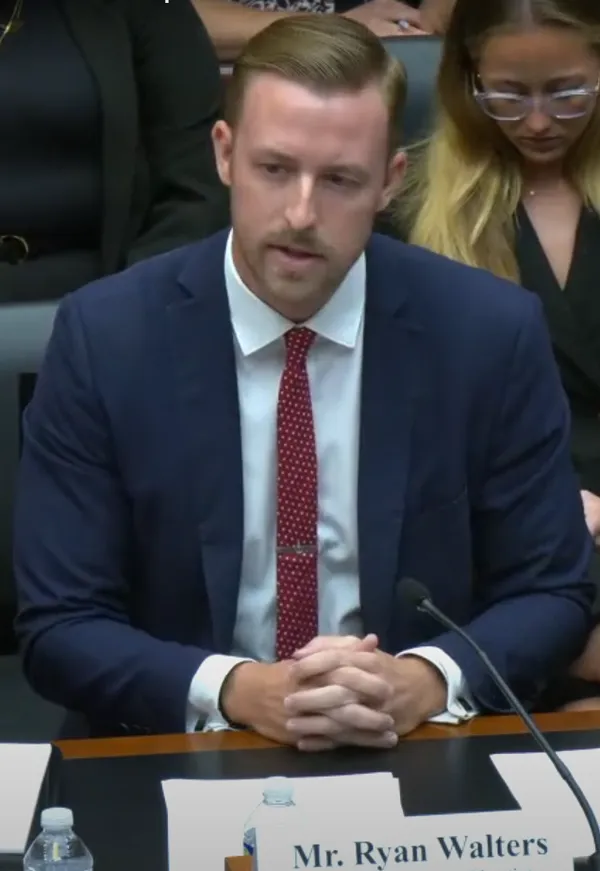
A man from Massachusetts has been indicted in connection with a scheme that sent counterfeit letters and religious-themed materials to Oklahoma public school officials while impersonating then-State Superintendent Ryan Walters, escalating a case that began with unexplained mailings to districts in late August 2024.
In 2024, superintendents and other district leaders reported receiving packages that appeared to come from the Oklahoma State Department of Education. The envelopes and cover materials were designed to resemble official state communications and included references to a June 27, 2024 directive about classroom use of the Bible. The state education department said at the time the packages were fraudulent and did not originate from the agency or Walters.
What the packages contained and why districts flagged them
Multiple districts said the mailings raised immediate concerns because the letter format and details did not match typical agency communications. Among the irregularities were title and presentation issues, including a signature line identifying Walters as “Secretary of Education,” a title not used for the elected state superintendent role at that time.
The packets included a document styled as a “Supplemental Supervisory Document” and an extended text titled “The Book of Aaron: A Lost Book of the Pentateuch.” The text contained religious narratives and language that administrators described as inconsistent with ordinary instructional guidance, further increasing suspicion that the material was a hoax rather than an official curriculum resource.
- Mailings were addressed to district leadership and formatted to resemble state guidance.
- Materials referenced the Bible directive and claimed to provide “supplemental” classroom content.
- District officials reported the content and formatting did not align with routine state department communications.
How investigators built the case
Investigators later pursued forensic and digital leads tied to the mailings. Court records connected to the investigation describe fingerprints recovered from an envelope that were matched to a man whose prints were already in a federal database. Investigators also documented vehicle-tracking information indicating travel from Massachusetts to the Oklahoma City metro area during the period when the letters were believed to have been mailed, including detections near Nichols Hills and a local post office.
Those investigative steps helped authorities identify a suspect more than a year after the mailings appeared. The indictment marks a shift from an open-ended inquiry into a criminal case alleging a deliberate attempt to impersonate a public official and distribute deceptive materials to school systems.
The legal process now turns on what prosecutors can prove about who created the materials, how they were sent, and what intent is alleged in using official-looking seals, letterhead elements, or signatures.
What happens next
An indictment is a formal accusation, not a conviction. The case will proceed through arraignment and pretrial litigation, where prosecutors and defense attorneys are expected to contest evidence related to identity, authorship of the materials, and the significance of any official insignia used. If the case advances to trial, the central questions are likely to include whether the mailings meet statutory elements for impersonation or forgery-related offenses and whether the alleged conduct was intended to mislead school officials.