Nichols Hills leads Oklahoma City metro’s home values as high-end suburbs widen regional price gaps
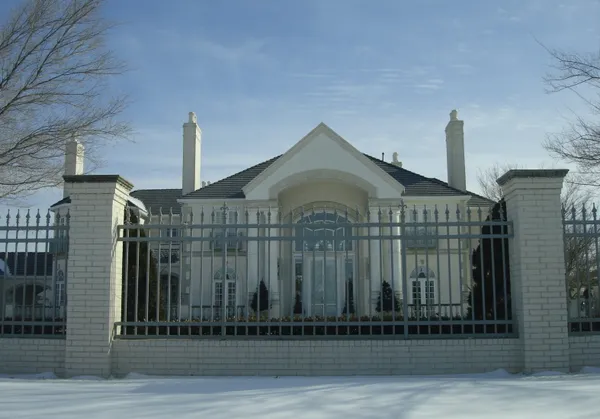
Highest-priced communities cluster in and around the Oklahoma City metro
Home values in central Oklahoma remain highly uneven, with the most expensive markets concentrated in a small set of enclaves and fast-growing suburbs around Oklahoma City. Recent housing-value rankings for communities in the Oklahoma City metropolitan area show Nichols Hills far ahead of every other city or town in the region, reflecting the metro’s sharp top-end premium.
Across the broader market, Oklahoma City-area prices have moved more modestly than many parts of the country. National home prices rose 1.8% from the fourth quarter of 2024 to the fourth quarter of 2025, a period that included continued affordability pressure from mortgage rates and constrained inventory in many metros. In central Oklahoma, local listing and sales indicators point to a market that has become more sensitive to price and days on market as buyers weigh financing costs against available supply.
What the rankings measure
The metro-area “most expensive homes” lists are typically built from model-based estimates of typical home value rather than sale-by-sale medians. Those estimates can better capture the entire housing stock in smaller cities with fewer transactions, but they can also differ from median sale prices, which reflect only completed deals over a defined period.
In the Oklahoma City metro rankings based on typical home value, Nichols Hills sits at the top tier. The remainder of the highest-priced communities generally include established close-in suburbs and newer, higher-income growth areas where larger lot sizes and newer construction are more common.
Why Nichols Hills consistently ranks first
Nichols Hills is a two-square-mile municipality fully surrounded by Oklahoma City and adjacent communities, with long-established residential development and limited room for new supply. As a built-out enclave, price growth is shaped largely by renovation cycles, replacement of older homes, and competition for a constrained number of listings. The city’s demographic profile also differs sharply from the broader region, with very high household incomes and a low poverty rate recorded in the most recent decennial census cycle.
How the wider market has shifted
Local housing reports for 2025 show a market where conditions changed noticeably from the peak scarcity of earlier years. Annual MLS-based summaries for the Oklahoma City area indicate inventory increased in 2025, while the median sales price for the market rose to about $262,900 and average sales price to about $317,189. Days on market lengthened compared with earlier years, and the share of the market closing at higher price tiers remained significant.
- Top-end communities show the clearest separation between “typical value” estimates and transaction-based medians, due to fewer sales and wider price dispersion.
- Built-out areas with limited new construction tend to show tighter supply dynamics than exurban markets where new subdivisions can add inventory.
- As financing costs fluctuate, smaller differences in home price can translate into meaningful changes in monthly payments, influencing where buyers can compete.
Key takeaway: the Oklahoma City metro’s most expensive housing markets are concentrated in a handful of small cities where limited supply and high incomes reinforce high valuations.
For buyers and sellers, the practical implication is that “Oklahoma City metro” averages can mask extreme differences between neighborhoods and municipalities. The most expensive cities are not simply higher priced; they often function as distinct submarkets with different inventory levels, turnover rates, and price sensitivity than the regional baseline.