ODOT details snow-clearing priorities, refreeze risks, and driver guidance as Oklahoma highways reopen gradually
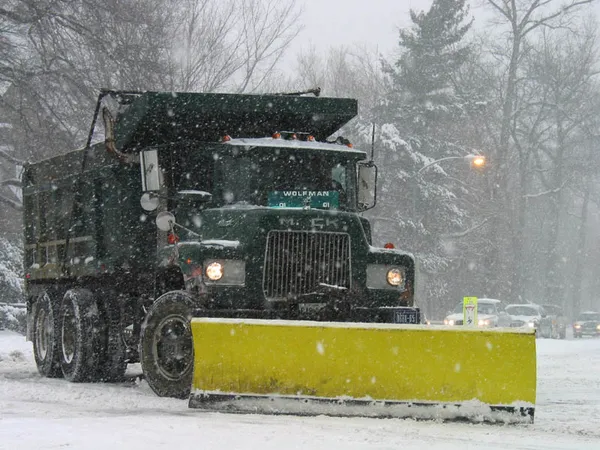
Snow removal continues as crews shift from storm response to refreeze prevention
The Oklahoma Department of Transportation has continued around-the-clock snow and ice operations statewide following a late-January winter storm that left interstates and highways snow packed and hazardous in many areas. By early Tuesday, Jan. 27, ODOT reported that primary driving lanes were mostly clear on major corridors, with two lanes open in many areas on I-35 and I-40 as well as key U.S. routes including US-69 and US-81, including major portions of the Oklahoma City and Tulsa metro areas.
Even as lanes reopened, ODOT warned that travel hazards have not fully eased. The agency identified black ice and overnight refreezing as continuing risks, particularly on bridges, overpasses, ramps, shaded stretches, shoulders and turn lanes where melting snow can refreeze after sunset and during early morning hours.
How ODOT prioritizes storm recovery on a statewide network
ODOT’s winter operations focus on maintaining the state highway system, which covers more than 30,000 lane miles. City streets and county roads are maintained by local jurisdictions, meaning road conditions can vary sharply across short distances depending on which agency is responsible for a given roadway.
In the days leading up to the storm, ODOT said it began pretreating elevated bridges and major corridors with salt brine when conditions allowed. Brine is intended to help prevent ice from bonding to pavement, but ODOT emphasized that pretreatment reduces risk rather than eliminating ice accumulation.
Equipment and materials used during the response
Statewide winter resources include more than 500 multi-use trucks, including roughly 50 assigned in the Oklahoma City area and about 25 in Tulsa. ODOT also reported that more than 128,000 tons of salt and sand/salt mix are stored across maintenance yards statewide for winter response operations.
- Plowing and mechanical removal to clear snow-packed lanes
- Application of salt and salt/sand mixtures to improve traction and support melting
- Retreatment of locations prone to refreezing, including elevated surfaces
Public safety messaging: stay back, don’t pass plows, and expect delays
ODOT has repeatedly urged motorists to avoid travel when possible and to give road-clearing equipment space to work. The agency’s guidance calls for drivers to remain at least 200 feet behind snowplows and other road-clearing trucks and to avoid passing them, noting that plows may deploy equipment or materials without warning. ODOT also advised against using cruise control in icy conditions and cautioned that black ice can look like wet pavement.
Even as interstates reopen, ODOT has cautioned that shaded areas, bridges and ramps can remain icy longer than surrounding pavement and may refreeze after daytime melting.
How to check conditions before traveling
ODOT provides real-time travel information through its road conditions system and the Drive Oklahoma tools, including an interactive map and updates during winter weather events. The agency also operates a statewide road conditions phone line at 844-465-4997.