Oklahoma bill would allow converting abandoned oil and gas wells for energy storage or geothermal development
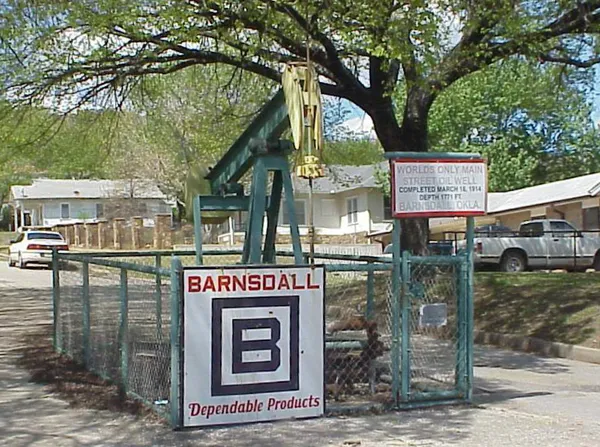
A legislative proposal targets new uses for wells that would otherwise be plugged
Oklahoma lawmakers are considering a measure that would let certain oil and gas wells be converted to support energy storage or geothermal energy development, rather than being treated solely as sites destined for plugging and abandonment.
House Bill 3173, filed for the 2026 session, would create the Well Repurposing Act and authorize the Oklahoma Corporation Commission to approve conversions of oil or gas wells into facilities that “provide or support” energy storage or geothermal development. The bill also allows the commission to set fees and require financial assurance tailored to the new use.
What the bill does, and what it does not do
The proposal defines “energy storage” as capturing energy at one time for use later. It also defines “geothermal resources” in terms of the earth’s natural heat exceeding 250 degrees Fahrenheit and specifies that building-scale geo-exchange heat pumps are excluded from the definition.
HB 3173 includes a regulatory distinction intended to change how certain converted wells are classified. If a well is authorized for energy storage and is actively operated for that purpose, it would not be considered inactive or abandoned under the bill’s framework. However, the measure adds a backstop: if storage operations stop for 12 months or longer, the well would have to be plugged and abandoned under existing state law and Corporation Commission rules.
- Creates the Well Repurposing Act in state law, with an effective date of Nov. 1, 2026.
- Authorizes the Corporation Commission to approve conversion of oil and gas wells for energy storage or geothermal development.
- Allows the agency to establish fees and financial assurance requirements for approved conversions.
- Requires plugging if authorized energy-storage operations cease for 12 months.
How the proposal fits into Oklahoma’s broader orphan-well challenge
Oklahoma has thousands of documented orphaned or abandoned wells, a legacy of long-running oil and gas activity and changing operatorship over time. The state has pursued plugging through a mix of state programs and federal support under the 2021 Infrastructure Investment and Jobs Act’s orphan-well initiatives. The Corporation Commission has reported an inventory in the tens of thousands, reflecting ongoing updates as records are digitized and additional sites are confirmed.
HB 3173 does not appropriate funding for plugging, nor does it replace plugging requirements where wells remain unused or become inactive under the 12-month storage shutdown provision. Instead, it establishes a pathway for the Corporation Commission to evaluate whether some existing wells can be maintained under a new, permitted purpose—paired with financial assurance requirements intended to address end-of-life obligations.
Legislative status
The House Energy and Natural Resources Oversight Committee voted to advance HB 3173 with a “do pass” recommendation on Feb. 25, 2026. The committee report reflects an 11–3 vote. A Senate principal author was added in the committee report.
If enacted, the measure would take effect Nov. 1, 2026, and would rely on Corporation Commission authorization, fees and financial assurance to govern any conversions.
Key questions for implementation
Any practical impact will depend on future Corporation Commission rules and individual project approvals, including how the agency sets financial assurance, how it evaluates well integrity for new uses, and how it coordinates plugging requirements when authorized operations end or fail to proceed.