Oklahoma bill would require regulators to study data-center power impacts and shield residential ratepayers
Measure advances as utilities face surging requests for new, high-demand electric service
An Oklahoma House bill moving through the Legislature would require utility regulators to formally assess how large, energy-intensive customers—particularly data centers—affect electric infrastructure planning, reliability, and household power bills.
House Bill 3392 cleared the House Utilities Committee on a 9-0 vote and was sent to the House Energy and Natural Resources Oversight Committee. The proposal directs the Oklahoma Corporation Commission to study the systemwide effects of “large load” customers and report findings to legislative leaders by Dec. 1, 2027.
What HB 3392 would do
The bill’s central requirement is an Oklahoma Corporation Commission evaluation of the consequences of rapid large-load growth on:
- electric grid infrastructure needs and upgrades,
- system reliability and operational planning, and
- ratepayer impacts, including whether costs are being shifted to customers who did not drive the new demand.
HB 3392 also calls for the commission to define “large load electric customer,” a step supporters describe as foundational for future policy decisions about how to allocate costs tied to new capacity and grid investments.
Why the bill is being proposed now
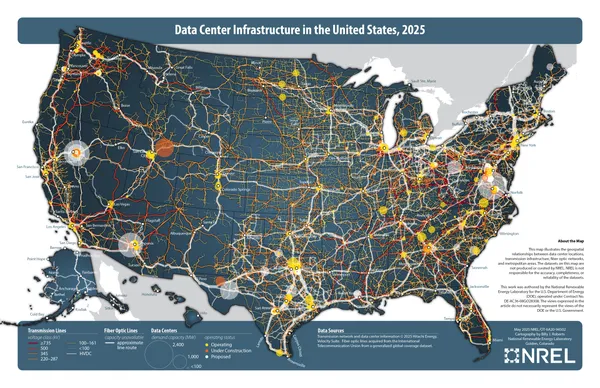
State regulators and utilities have been grappling with a wave of large power requests that can range into the hundreds of megawatts, levels that can materially change long-term resource plans and the timing of transmission and distribution upgrades. Data centers—often built for cloud computing and artificial intelligence workloads—are frequently cited in utility and regulatory discussions as a key driver of that growth.
At the same time, Oklahoma’s utility system is already navigating continuing debates over how and when utilities can recover large capital costs through rates, including mechanisms that can affect customers before new infrastructure is fully in service. Those debates have intensified alongside broader concerns about keeping electricity affordable while maintaining reliability during periods of high demand.
How Oklahoma regulation intersects with cost allocation
The Oklahoma Corporation Commission is the state entity that approves utility rates and the terms under which regulated electric utilities recover costs. In recent regulatory proceedings, commissioners and parties have discussed tools intended to reduce the risk that residential and small-business customers pay the same type of demand-related charges as very large facilities. One mechanism used in that context is a “large-load tariff,” which can set different billing structures for high-consumption customers.
What happens next
HB 3392 continues through the House committee process before it can be considered by the full chamber. If enacted, the bill would not set new rates by itself; instead, it would require a formal record and written findings intended to guide lawmakers and regulators as Oklahoma balances economic development tied to large-load projects with system reliability and residential rate protections.
The commission’s report would be due Dec. 1, 2027, under the bill’s timeline.