Oklahoma City requests resident feedback as Downtown and Bricktown strategic plan moves into scenario development phase
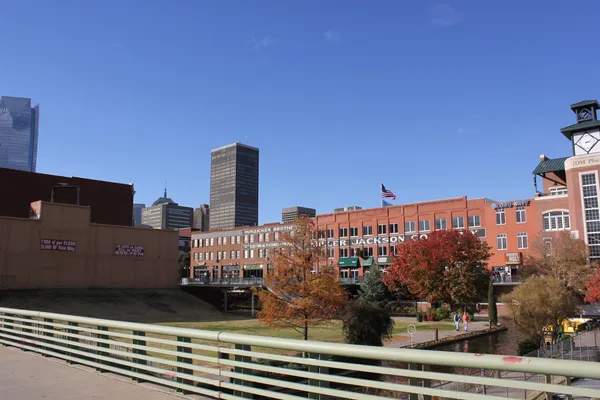
A new planning effort is shaping the next decade of development decisions in the city’s urban core
Oklahoma City has opened a public engagement period for the Downtown Oklahoma City Strategic Plan, a long-range initiative intended to produce an implementable framework for future growth in Downtown and Bricktown. City planning officials describe the effort as a 10-month process designed to translate broad goals into specific actions that can guide both public investment and private development.
The study area is defined broadly, stretching from the Oklahoma River on the south to NW 13th Street on the north, and from Western Avenue on the west to I-235 and I-35 on the east. The boundaries encompass Downtown, Bricktown and surrounding districts where major redevelopment and infrastructure decisions are expected in coming years.
What the plan is intended to address
City materials outline several focus areas that will be evaluated during the process, including gaps in the “urban fabric,” mobility and connectivity challenges, opportunities for open space, commercial redevelopment needs, downtown residential density and tourism-related considerations. The project is structured to build on existing plans and ongoing initiatives, using “key projects” to maximize community value and align development across downtown subareas.
A city-hosted survey is one of the primary tools being used to gather resident and stakeholder input. The engagement website lists the project as being led by the City Planning Department and shows the work currently moving through discovery and scenario development stages, with implementation planning and plan development still ahead.
Governance, participants and consultant support
The city’s engagement portal lists an advisory committee that includes representatives from city departments and civic partners, including planning, finance and public works, as well as EMBARK, downtown business and tourism organizations, and major employers and institutions with a downtown footprint.
Separate from the public-facing engagement work, the Oklahoma City Council approved a professional services agreement in October 2025 to support the creation of a strategic development plan covering downtown and Bricktown. The agreement set a cost cap of $750,000 and established a consultant role intended to help frame infrastructure needs and land-use opportunities as development accelerates.
How timing and external events factor into downtown planning
City leaders have also pointed to the approaching national and international visibility tied to Olympic competitions scheduled to be held in Oklahoma City during the 2028 Los Angeles Games. Those events are expected to bring visitors and additional operational demands that intersect with downtown mobility, visitor experience, and the broader urban environment.
What residents can influence through the engagement process
- Priorities for mobility and connectivity improvements between districts
- Preferences for open space and public realm investments
- Views on downtown housing growth and density
- Ideas for commercial redevelopment and tourism-focused amenities
- Perceived gaps between planned projects and on-the-ground needs
The strategic plan is intended to guide land use, public infrastructure and private development decisions by setting coordinated actions for Downtown and Bricktown.
City planning officials have indicated the end product will be a strategic, implementable plan rather than a purely aspirational vision document, with recommendations expected to inform future budgeting, infrastructure coordination, and development review decisions across the downtown core.