Oklahoma City sledders brave subzero wind chills as Winter Storm Fern strains travel and emergency services
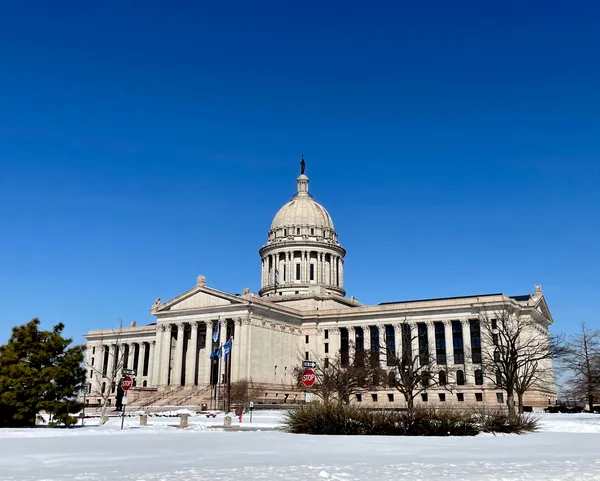
Cold-weather recreation continued as hazardous conditions lingered across central Oklahoma
Oklahoma City residents seeking a rare chance to sled did so amid intense cold and widespread winter-weather impacts that extended well beyond neighborhood hills. The late-January storm system delivered snow, dangerous wind chills and treacherous road conditions across the region, prompting state-level emergency coordination and sustained response operations.
The Oklahoma State Emergency Operations Center remained activated through the weekend as conditions deteriorated statewide. Public safety agencies reported large numbers of weather-related calls, including motorist assists, collisions and welfare checks, as slick highways and reduced visibility complicated travel.
Road hazards and stranded motorists added pressure on responders
State officials deployed Stranded Motorist Assistance Recovery Teams combining National Guard resources and Highway Patrol support. The teams operated in multiple areas, including Oklahoma City, as the storm progressed. By Saturday afternoon, teams had completed 13 stranded motorist recoveries since the storm began on Friday, Jan. 23; by Sunday morning, that total had risen to 29 recoveries as needs shifted toward southeastern Oklahoma.
Road conditions remained a central concern. Transportation crews continued plowing and treating major corridors, while officials warned that refreezing and black ice could persist even in spots that appeared clear. Interstate routes including I-35 and I-40 were described as slick and hazardous with snow-packed surfaces during the height of the event.
Injuries, outages and shelter operations tracked through the weekend
Area hospitals reported 11 storm-related injuries on Saturday, Jan. 24, with falls accounting for the largest share. Authorities also tracked a broad set of response indicators, including injury and non-injury collisions, abandoned vehicles and motorist assists.
Power disruptions were comparatively limited statewide by Saturday afternoon, with roughly 1,300 outages reported, concentrated largely in southeastern Oklahoma due to tree limbs impacting lines. Emergency planners emphasized public access to accurate outage updates through utility providers.
To address exposure risks during the extreme cold, more than 40 shelters and warming stations were reported open across Oklahoma, with additional sites on standby. State coordination included support from humanitarian organizations assisting with shelter operations and feeding, while local warming options in Oklahoma City were incorporated into broader emergency planning.
Why sledding persisted despite the risks
Snowfall strong enough to create workable sledding conditions is infrequent in Oklahoma City, and residents often take advantage when accumulation allows. This storm created that opportunity, but did so alongside conditions that carried elevated safety risks: prolonged subfreezing temperatures, biting wind chills and hazardous travel.
- Emergency teams focused on stranded drivers and highway safety during peak impacts.
- Hospitals reported storm-related injuries, with falls the most common category.
- Shelter and warming networks expanded as the cold snap persisted.
Officials urged residents affected by the storm—such as those with roof damage, frozen pipes or displacement—to report impacts so emergency managers could better assess community needs.
With temperatures remaining low into the new week, officials continued to emphasize caution on roads, preparedness for ongoing cold, and the use of warming resources for anyone unable to safely heat their home.