Oklahoma City students staged sit-ins before the 1963 March on Washington, helping reshape civil rights strategy
A youth-led campaign in 1958 challenged segregation in Oklahoma City
Years before the national spotlight settled on major civil rights milestones in the early 1960s, a group of Oklahoma City students helped pioneer a tactic that would become synonymous with the movement: the sit-in. In August 1958, Black youths working through the local NAACP Youth Council, guided by Oklahoma City teacher Clara Luper, targeted segregated lunch counters in downtown businesses.
The first major action focused on Katz Drug Store, where Black customers were not served at the lunch counter despite the store operating as a public-facing business. The students entered, sat at the counter, and requested service. They returned over multiple days, maintaining nonviolent discipline amid hostility, and the lunch counter ultimately integrated.
Why the Oklahoma actions mattered nationally
The Oklahoma City sit-ins predated the better-known Greensboro sit-ins in North Carolina by more than a year. They demonstrated that organized, youth-led nonviolent protest could pressure private businesses to end discriminatory practices without relying on lengthy court fights. The early Oklahoma City actions also showed how sustained, local campaigns could widen from a single counter to broader change across a city’s public accommodations.
Within Oklahoma City, the sit-in strategy expanded beyond one store. Over the following years, the Youth Council’s efforts extended to other lunch counters and restaurants, forming part of a longer campaign against segregation in everyday public spaces. The organizing blended planning, training, and persistence—elements that later became hallmarks of student activism across the country.
How the students organized and what they faced
The participants were notably young, with school-age children central to the effort. The group prepared for confrontation by establishing expectations for conduct: remaining seated, staying calm, and refusing to respond to provocation. During the early demonstrations, demonstrators encountered verbal abuse and other forms of harassment from some members of the public.
The campaign also unfolded under the watch of law enforcement, a variable that often determined whether nonviolent actions escalated into mass arrests or violence. In Oklahoma City’s early sit-ins, protesters were able to continue returning to the targeted businesses, a factor that helped sustain pressure on management and normalize the protesters’ presence.
Key dates and takeaways from Oklahoma City’s sit-in movement
August 19, 1958: Students and their adviser began sit-ins at Katz Drug Store in downtown Oklahoma City.
1958–1964: The sit-in tactic was used repeatedly in Oklahoma City as part of a wider campaign to desegregate public accommodations.
September 2, 1963: A nationally broadcast segment captured Luper addressing resistance to integration in Oklahoma City.
The Oklahoma City sit-ins show how local student organizing, sustained over time, helped define a national method of civil rights protest.
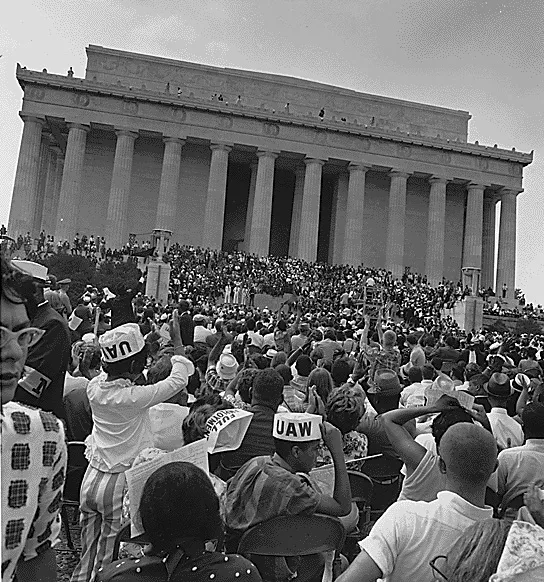
By the time the March on Washington took place on August 28, 1963, the sit-in had already proven its power in communities including Oklahoma City. The Oklahoma students’ early actions remain a documented example of how local campaigns helped shape the broader movement’s tactics and momentum.