Oklahoma confirms measles case with potential exposure at Norman bar; health officials outline steps for contacts
Confirmed measles case prompts public exposure guidance in Norman
State health officials have confirmed a measles case in Oklahoma and reported that the individual may have exposed members of the public at a bar in Norman. The investigation is focused on identifying people who were present during the period when the infected person could have transmitted the virus, and on limiting additional spread through targeted notifications and preventive steps.
Measles is an airborne viral illness that can spread when an infected person breathes, talks, coughs or sneezes in enclosed spaces. Public health guidance typically treats indoor locations as higher-risk settings for exposure because measles can remain suspended in the air for a period after an infected person leaves, increasing the number of potential contacts beyond those who had direct interaction.
How measles spreads and when people are contagious
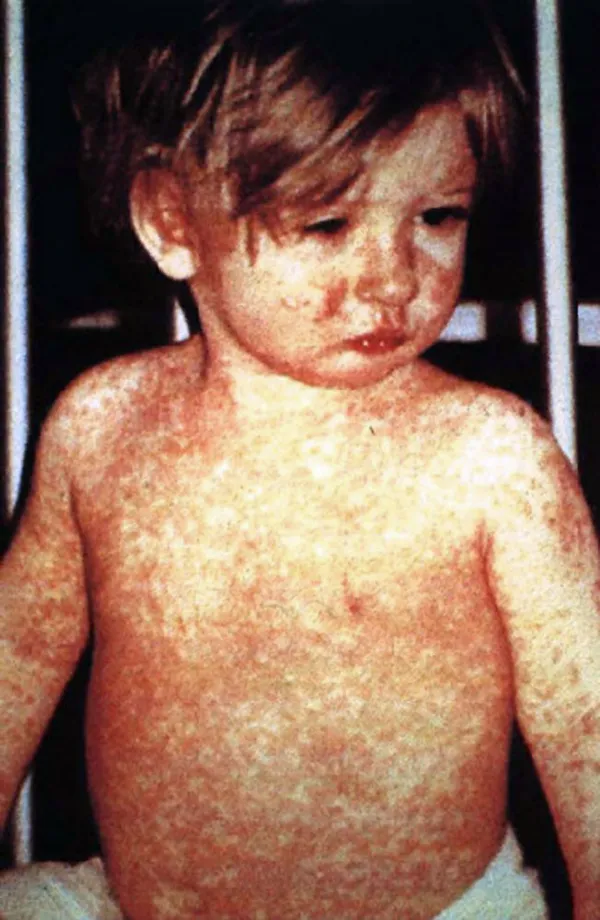
Measles is considered one of the most contagious infectious diseases. People with measles can transmit the virus before they realize they are sick, including in the days leading up to the development of the characteristic rash. Because of that timing, exposure investigations often look back several days before rash onset and extend through the early days after the rash appears.
Public health officials generally ask anyone who develops fever and a new rash after a known exposure to avoid public places and to call ahead before seeking in-person medical care so clinics and hospitals can reduce the chance of exposing others.
What public health investigations typically include
When a measles case is confirmed, investigators work to reconstruct the infected person’s movements while contagious, identify settings where the public could have been exposed, and determine who may be at highest risk. This work generally includes assessing vaccination or immunity status, determining whether close contacts need quarantine, and identifying people who may qualify for time-sensitive preventive measures after exposure.
- Identifying exposure windows tied to specific dates and times at public locations
- Notifying potentially exposed people and advising them on symptom monitoring
- Recommending exclusion from public settings for people who are not immune
- Coordinating with local health departments and health care providers on testing and infection control
Vaccination and protection
Public health guidance continues to emphasize that measles is preventable through vaccination. Two doses of the measles-mumps-rubella (MMR) vaccine provide high protection against measles, while a single dose provides substantial protection. Officials generally advise people who are unsure of their immunization status to verify records and consult a health care provider about vaccination.
Health officials are urging potentially exposed residents to monitor for symptoms, avoid public settings if illness develops, and contact medical providers before arriving for care.
Broader context: measles activity remains elevated nationally
The Norman exposure notice comes as U.S. measles activity remains elevated compared with recent years, with outbreaks continuing to be reported in multiple jurisdictions. Public health agencies have linked recent spread to pockets of low vaccination coverage and to frequent travel between states experiencing outbreaks.
Health officials have not publicly released personal details about the case and are focusing on exposure locations and timeframes that allow the public to assess risk and take appropriate steps.