Oklahoma faces new legal fight after state board rejects proposed Ben Gamla Jewish charter school
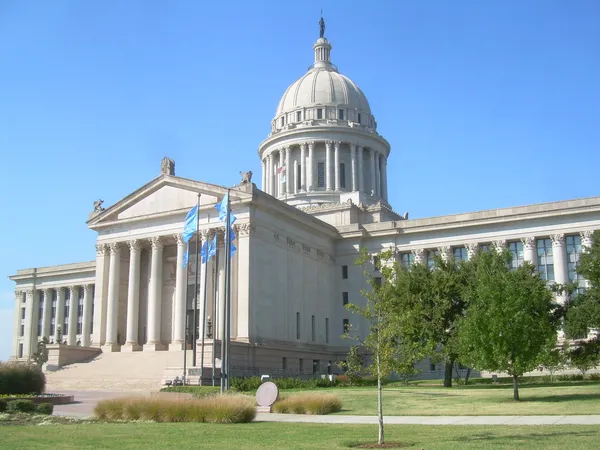
Dispute centers on how Oklahoma’s charter school laws apply to religiously oriented proposals
Oklahoma’s handling of an application for a proposed Ben Gamla Jewish Charter School has triggered a new round of litigation and renewed scrutiny of the state’s rules for charter approvals, less than a year after the U.S. Supreme Court left in place an Oklahoma Supreme Court ruling barring religious public charter schools.
On Feb. 9, 2026, the Oklahoma Statewide Charter School Board voted unanimously to reject the Ben Gamla Jewish Charter School Foundation’s application. Board materials and public statements tied the decision to binding state-court precedent establishing that Oklahoma charter schools are public schools and must remain nonsectarian under state law.
Attorney general asks judge to require a fuller rejection record
On March 11, 2026, Oklahoma Attorney General Gentner Drummond filed an action in Oklahoma County District Court seeking a court order that would require the charter board to issue a rejection notice that includes all grounds the board relied on in denying the application, not solely the constitutional and statutory nonsectarian requirement.
The filing argues that Oklahoma law requires applicants to demonstrate educational need and financial viability, and contends that the board’s official record should reflect any deficiencies identified in those areas. Drummond’s request seeks a writ of mandamus, a remedy that asks a court to compel a government entity to carry out a legal duty.
Federal court challenge expected
The dispute is unfolding alongside expectations of a separate federal lawsuit by the school’s founders challenging the rejection. In public discussion around the vote, the charter board acknowledged it anticipated litigation and indicated it was preparing to retain outside counsel.
While the Feb. 9 denial focused on the state’s prohibition on sectarian public charter schools, subsequent reporting and public meeting accounts indicate other concerns were raised during the application review, including questions about operational details and policy documentation. Drummond’s lawsuit seeks to ensure any such issues are formally documented as part of the official basis for denial.
Background: Oklahoma’s recent religious charter school litigation
The Ben Gamla application arrives in the shadow of the state’s high-profile legal fight over St. Isidore of Seville Catholic Virtual School. In June 2024, the Oklahoma Supreme Court invalidated state authorization of that proposed religious charter school. On May 22, 2025, the U.S. Supreme Court issued a 4–4 decision that left the Oklahoma ruling in place, effectively preventing the creation of a religious charter school within Oklahoma’s public charter framework under current law.
What the court will decide next
The immediate question before the Oklahoma County judge is narrow: whether the charter board must provide a rejection notice that fully states the grounds for denial required by state law and the administrative record. The broader constitutional questions—whether religious charter schools can operate as publicly funded entities—are likely to be revisited only if a separate federal suit advances beyond early procedural stages.
- Feb. 9, 2026: Charter board votes to reject Ben Gamla application.
- March 11, 2026: Attorney general files for a court order seeking a more complete rejection notice.
- Next steps: District court ruling on the mandamus request; potential parallel federal litigation challenging the denial.
The case tests not only where Oklahoma draws the legal line on sectarian charter schools, but also how thoroughly state agencies must document their decisions when litigation is foreseeable.