Oklahoma gas prices could rise as Iran conflict tightens global oil supply and shipping routes
What Oklahoma drivers are watching
Oklahoma motorists are closely monitoring gasoline prices after fighting involving Iran pushed crude oil prices higher and renewed concerns about disruptions to global energy shipments. Even though the United States has not imported Iranian oil for years because of long-standing sanctions, Oklahoma prices can still move quickly when global crude benchmarks rise and fuel distributors adjust wholesale costs.
Early-week increases were already visible in the national average, reflecting a combination of geopolitical risk and seasonal factors that typically pressure prices in late winter and early spring as refineries and retailers shift toward summer-grade gasoline.
Why events in Iran can affect U.S. pump prices
Global oil is priced in an interconnected market. When traders anticipate supply interruptions—or higher costs to move oil by sea—benchmark crude prices can rise, and those increases tend to filter into U.S. gasoline prices with a lag as stations sell through existing inventory and buy replacement supply at higher wholesale prices.
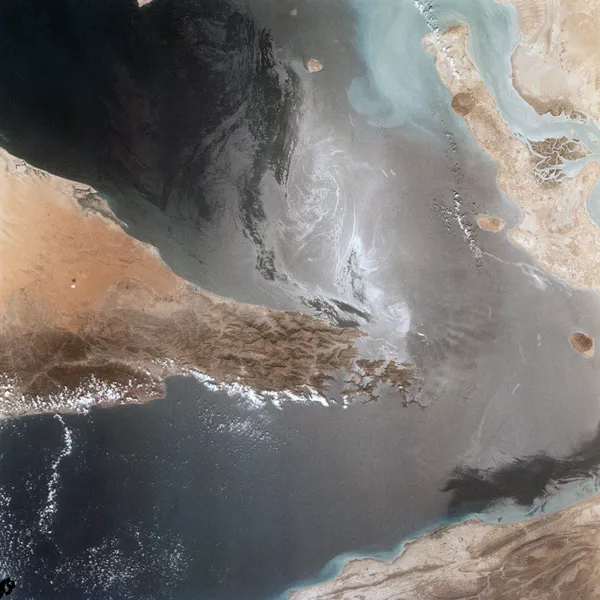
A key vulnerability is shipping through the Strait of Hormuz, a narrow maritime corridor used for a significant share of the world’s seaborne oil trade. Any threat to tanker movements, insurance availability, or port operations can lift crude prices even if physical supply has not yet been cut, because buyers price in the risk of delays and shortages.
Local price levels and household impacts
In Oklahoma, prices have generally remained below the national average in recent months, but the gap can narrow when crude and wholesale gasoline rise quickly. For households that drive long distances for work, school, or caregiving, even small per-gallon changes can add up over a month, particularly for larger vehicles and commuters with daily highway travel.
Industry analysts commonly measure pump-price sensitivity by comparing changes in crude prices to expected gasoline impacts; while exact pass-through varies by region and tax structure, sustained crude increases are typically reflected at retail stations within days to a few weeks.
What could determine whether prices stabilize or keep climbing
Duration and scope of the conflict: Short disruptions often cause temporary spikes, while prolonged hostilities can keep oil risk premiums elevated.
Shipping reliability: Any sustained threat to tanker traffic, higher insurance costs, or rerouting can tighten supply and raise delivered costs.
Refinery operations and seasonal blends: Maintenance schedules and the transition to summer gasoline can reduce supply flexibility and amplify price moves.
Broader economic conditions: Demand shifts tied to travel, freight activity, and inflation expectations can influence how quickly increases spread through the fuel market.
Oklahoma drivers are preparing for volatility: even without direct purchases of Iranian crude, global price shocks can reach local pumps through wholesale fuel markets and distribution costs.
What to watch next
For Oklahomans, the most practical near-term indicators are daily wholesale gasoline movements, changes in national crude benchmarks, and whether shipping through major Middle East routes remains uninterrupted. If crude prices continue rising for multiple sessions, broader increases at Oklahoma stations become more likely; if tensions ease and shipping remains stable, pump prices may level off after the initial surge.

Greater Oklahoma City Chamber weighs State Question 843 proposal to phase out homestead property taxes statewide

Oklahoma victim service providers brace for reduced VOCA aid as federal Crime Victims Fund contracts

Thunder, Rain, and the Future of Farming: Your OKC Morning Briefing