Oklahoma governor praises Mustang student suspensions after anti-ICE walkout, sparking broader debate over school discipline
State officials frame Mustang discipline as attendance enforcement amid statewide wave of student protests
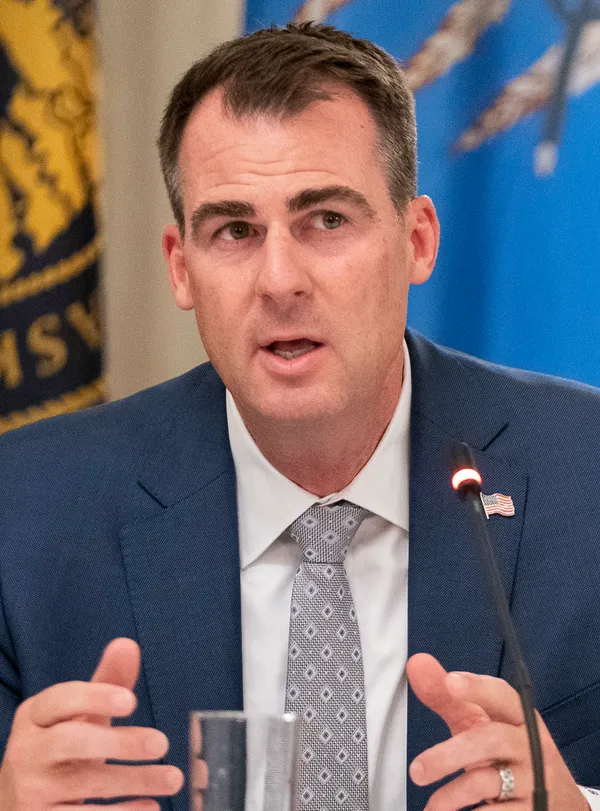
Oklahoma Gov. Kevin Stitt publicly applauded Mustang Public Schools after the district imposed in-school suspension on 122 students who participated in a walkout tied to protests over federal immigration enforcement tactics. The district said the discipline addressed unexcused absences connected to leaving required instructional time, not the viewpoint expressed during the demonstration.
The walkout at Mustang High School occurred on Feb. 5, 2026. District administrators notified families that the demonstration was not school-sponsored and said staff responded to supervise students while classes continued for those who stayed. The district also emphasized that student supervision and campus safety become more difficult when students are not where they are expected to be during the school day.
Stitt, in a social media post, described free speech as “sacred” while warning that truancy carries consequences for students’ futures. The governor’s statement came as multiple Oklahoma school communities reported similar walkouts this month.
What Mustang Public Schools said about the walkout and consequences
Mustang Public Schools said students were assigned in-school suspension because they accumulated unexcused absences by remaining off campus beyond authorized times. Mustang High School offers an open-campus lunch privilege for juniors and seniors, but the district said that privilege is limited to designated lunch periods, after which students are expected to return to campus and class.
The district pointed to its attendance policies and student code of conduct as the basis for discipline. In a statement released as the suspensions became public, district leaders said student safety was the primary consideration in decisions about how to respond.
Legislative pressure and the state education agency’s response
The Mustang discipline unfolded amid escalating pressure from a group of Republican lawmakers who requested that State Superintendent of Public Instruction Lindel Fields take action related to student walkouts. Their letter cited concerns about disruption of instructional time and potential conflicts with Oklahoma’s compulsory attendance requirements, which mandate attendance unless properly excused.
The lawmakers also urged scrutiny of whether any educators promoted, facilitated, or failed to address walkouts, arguing that confirmed violations could raise professional licensing issues under Oklahoma administrative rules governing teacher certification.
The Oklahoma State Department of Education said it had been in contact with leaders at affected schools and described local handling as focused on order and student safety. The agency noted that local school boards may regulate on-campus expression through policy and may impose discipline or attendance-related consequences when students violate those rules. It also stressed that when activities occur off campus, parent engagement is important in helping students understand rights, limitations, and responsible behavior.
Key points at issue for schools and families
- How districts distinguish protected student expression from conduct that violates attendance or campus rules.
- What role, if any, school staff played in planning or supervising demonstrations, and how that affects professional standards.
- How districts balance open-campus privileges, supervision responsibilities, and safety planning when students leave expected locations.
Mustang Public Schools said the in-school suspensions were issued for unexcused absences tied to the walkout, not for the content of students’ speech.
The episode highlights a recurring challenge for Oklahoma schools: maintaining orderly operations and safety while navigating student-led political expression that can include leaving class time and, in some cases, campus grounds.