Oklahoma Highway Patrol trooper struck by vehicle in Kilpatrick Turnpike work zone near West Wilshire Road
What happened
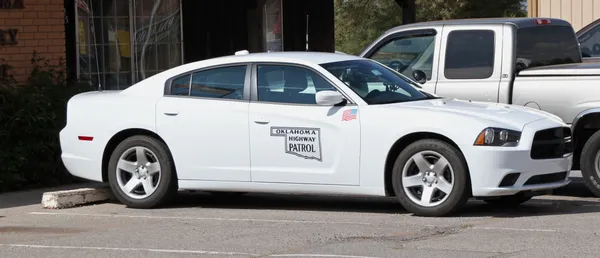
An Oklahoma Highway Patrol (OHP) trooper was struck by a vehicle in an active construction zone along the John Kilpatrick Turnpike in Oklahoma City, near West Wilshire Road. The crash prompted an on-scene response from troopers and other first responders and led to lane blockages and traffic backups as investigators worked the area.
As of the most recent official public updates available on Thursday, Feb. 26, 2026, authorities had not released the trooper’s name or provided a detailed public medical update on the trooper’s condition. Information about the driver involved, potential impairment, and whether citations or criminal charges will be pursued had not been publicly confirmed.
Traffic impacts and work-zone context
The incident occurred amid ongoing metro-area roadwork and traffic shifts that have narrowed lanes and reduced shoulders at several locations. In the northwest Oklahoma City corridor, state and turnpike projects have recently included lane narrowing and traffic-control changes tied to work on and around the Kilpatrick Turnpike and connecting routes. Work-zone configurations can create tighter margins for error, particularly at night, when visibility and driver expectations may be reduced.
Legal requirements for drivers approaching roadside emergency activity
Oklahoma law requires drivers approaching stationary authorized vehicles displaying warning lights—including emergency vehicles and certain transportation and turnpike maintenance vehicles—to proceed with caution. On roadways with at least two lanes in the same direction, drivers must change lanes away from the stopped vehicle when it is possible and safe; when a lane change cannot be made safely, drivers must slow to a safe speed while using due caution.
The law is widely referred to as the Bernardo-Mills Law. It applies in situations where traffic conditions and roadway design often place responders and workers close to passing vehicles, including in construction areas and along turnpikes where speeds are typically higher.
What investigators typically examine after a work-zone trooper crash
While the specific investigative findings in this case have not been released, crashes involving responders in work zones generally require detailed scene reconstruction. Investigators may review factors such as lane closures, signage, lighting, the placement of patrol vehicles or equipment, sight distance, and driver actions leading up to impact.
- Whether the work zone had active lane shifts, narrowed lanes, or limited shoulders
- Whether warning devices and emergency lighting were visible at adequate distance
- Vehicle speed relative to posted limits and temporary work-zone conditions
- Driver attention, including potential distraction or delayed reaction
- Whether traffic backups or merging conditions contributed to sudden braking or swerving
Work-zone crashes that involve troopers can trigger both administrative review and criminal investigation, depending on the evidence collected at the scene and subsequent interviews and records checks.
What remains unknown
Key details—including the trooper’s current condition, the driver’s identity, and any enforcement action—have not been publicly confirmed. OHP’s investigation is expected to determine how the collision occurred and whether violations of move-over and safe-speed requirements played a role.
This article will be updated as soon as OHP or other authorities release verified additional information.