Oklahoma House advances Sunshine Week transparency bill expanding Attorney General’s role in open records enforcement
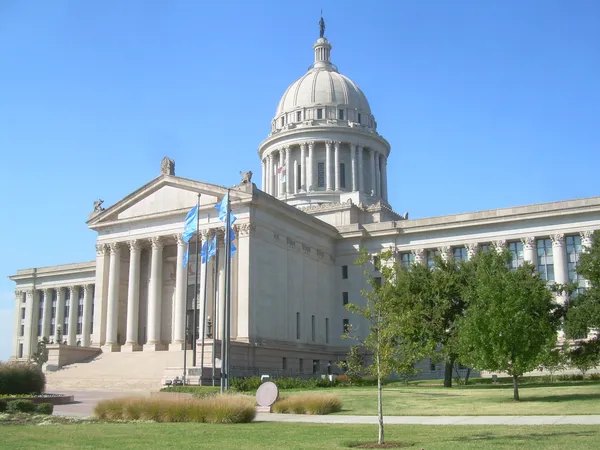
Legislation targets faster review of public-records disputes
Oklahoma House lawmakers advanced legislation during Sunshine Week aimed at strengthening public access to government information by expanding the Attorney General’s formal authority to investigate alleged violations of state transparency laws and by establishing a structured review process for denied public-records requests.
The measure, House Bill 2163, cleared the House on March 26, 2025, and was presented as a tool to streamline disputes under the Oklahoma Open Records Act and Open Meeting Act. The bill’s core feature creates a Public Access Counselor Unit within the Office of the Attorney General to receive complaints and conduct reviews after a person is denied access to public records by a public body.
How the Public Access Counselor process would work
Under the bill language, a requester generally would have 30 calendar days from the date of denial to seek review by the Public Access Counselor Unit. The request must be submitted in writing on a form prescribed by the Attorney General and include the underlying records request and the public body’s responses.
- After receiving a request for review, the Public Access Counselor determines whether further action is warranted.
- If review proceeds, the unit sends the public body a copy of the request within seven business days and may specify records or documents needed to evaluate the denial.
- The public body must cooperate and provide a written response within seven business days after receiving the request for review.
- The Attorney General’s office would issue an advisement within 60 calendar days after receipt of the review request and notify the requester when the review is complete.
The bill also sets limits, including excluding requests made for a commercial purpose from the review process. It further provides that a requester who files a lawsuit over the same denial while a review is pending must notify the Public Access Counselor, and the office would halt its review.
Expanded enforcement authority and legal protections
Beyond the review process, the bill modifies the Attorney General’s statutory duties to expressly include the ability to investigate and pursue civil or criminal actions related to alleged violations of the Open Records Act or Open Meeting Act, or to defer such matters to a district attorney. It also authorizes advisory opinions to public bodies regarding compliance.
HB 2163 includes provisions intended to encourage compliance by offering legal protections for public bodies that disclose records in accordance with the Attorney General’s advice, including immunity from certain liabilities and limits on penalties when actions are taken in good-faith reliance on that guidance.
Political debate and the bill’s later trajectory
The transparency proposal advanced amid broader debates at the Capitol over how disputes about access to public information should be resolved and whether the Attorney General’s office should play a larger role in enforcement. A central point of contention in such proposals has been the balance between court-based remedies and administrative review through the Attorney General.
Sunshine Week is observed nationally each March to highlight open government and public access to records and meetings.
After passing both chambers later in the 2025 legislative session, HB 2163 was vetoed by Gov. Kevin Stitt. In the final days of session, lawmakers voted to override the veto, allowing the bill to become law with an emergency clause.
Why it matters for requesters and agencies
If fully implemented as enacted, the measure establishes timelines and a defined pathway for Oklahomans seeking an expedited review of denials, while giving public bodies a clearer administrative process for responding to disputes short of litigation.