Oklahoma housing has many vacant units, but affordable rentals remain scarce amid rising demand statewide
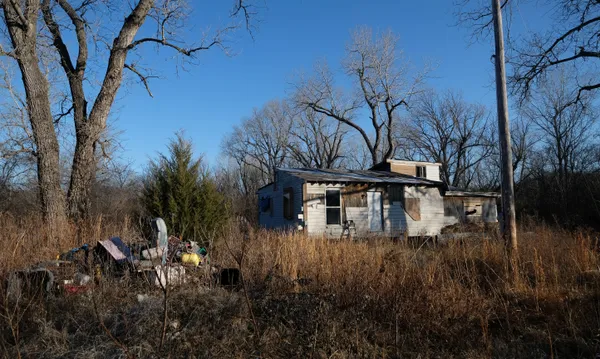
A surplus on paper, a shortage for low-income households
Oklahoma’s housing market shows a contradiction that is increasingly visible in state and local data: thousands of homes and apartments sit vacant at any given time, yet many residents searching for lower-cost rentals face long waits, closed assistance lists, or rents that outpace wages.
Statewide vacancy is not, by itself, proof of availability. Vacant units can be seasonal, held for sale, undergoing repairs, priced beyond what local incomes support, or located far from jobs and services. The result is a mismatch between what exists and what many households can realistically afford.
Vacancy does not mean affordability or readiness
Recent statewide housing estimates show a meaningful share of units classified as vacant. At the same time, separate market indicators in Oklahoma’s largest metro areas suggest apartment occupancy remains high and competition for rentals persists, even when overall vacancy rates are not exceptionally low by historical standards.
Several factors can keep units empty while demand remains intense: higher-end pricing, units needing rehabilitation, ownership decisions to keep properties off the long-term market, and geographic gaps between vacant stock and areas where renters need to live for work, school, or health care.
Extremely low-income renters face the steepest gap
The sharpest shortage is concentrated among extremely low-income households. Housing profiles and affordability analyses tracking “affordable and available” rentals—units both priced for that income level and not already occupied by higher-income tenants—show Oklahoma lacks tens of thousands of such homes. In practice, this means that even where vacancies exist, the portion affordable to the lowest-income renters is limited.
This pressure is reflected in waiting lists and local planning documents that describe sustained demand for subsidized housing options, including public housing and vouchers, and note that some lists have been closed to new applicants for extended periods.
What Oklahoma City and Tulsa data show
Local housing plans in Oklahoma City document large numbers of households seeking assisted housing by bedroom size, indicating that need extends beyond studio and one-bedroom units into family-sized homes. In Tulsa, local planning documents describe waiting lists at individual affordable properties that can reach into the thousands, highlighting how demand can overwhelm the available supply even when the broader housing stock includes vacant units.
Key dynamics shaping the paradox
Market-rate units may be vacant but priced above what many renters can pay without severe cost burden.
Some vacant homes require repairs or rehabilitation before they are habitable.
Location matters: vacancies outside major job centers may not help households tied to urban employment and services.
Assisted housing capacity is constrained by funding and program rules, limiting how quickly demand can be met.
Vacancy measures the presence of empty units; affordability measures whether households can actually secure them without untenable trade-offs.
What to watch next
In 2026, the practical question for policymakers and housing providers is whether vacant stock can be converted into safe, code-compliant homes at price points that match local incomes, and whether existing affordable units can be preserved as older affordability restrictions expire. The state’s housing paradox is likely to persist unless vacancy and affordability are addressed as related—but not identical—problems.