Oklahoma lawmakers advance third-grade reading reform, tightening promotion rules and expanding early-literacy interventions statewide
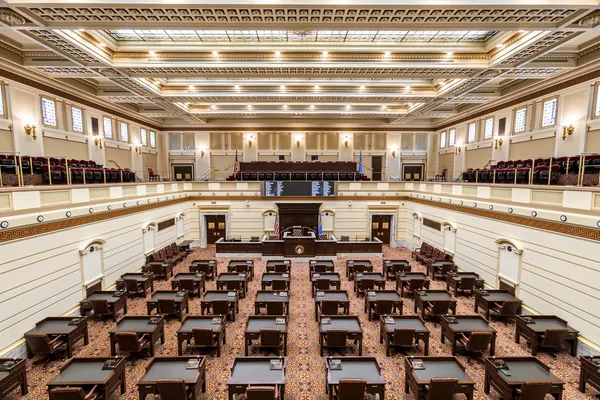
Legislation targets promotion standards, interventions and staffing under Oklahoma’s Strong Readers Act
Oklahoma lawmakers have moved major third-grade reading legislation through both chambers, advancing a broader effort to change how schools identify and respond to early literacy gaps. The proposal, House Bill 4420, updates the state’s Strong Readers Act and centers on a promotion requirement tied to third-grade reading test performance, alongside expanded intervention duties for schools and the state education agency.
Under HB 4420, third-grade students would need to score above the “below basic” level on the statewide reading assessment, earn an acceptable score on an alternative assessment, or qualify for a narrowly defined good-cause exemption to be promoted to fourth grade. The measure also establishes procedures for requesting exemptions and allows parents to choose retention even when an exemption is approved.
Who could qualify for good-cause exemptions
The bill limits exemptions to specific student categories and circumstances, including certain students with disabilities and some English learners. It also outlines exemptions connected to documented intensive intervention over multiple years and prior retentions.
- Students with disabilities whose individualized education programs indicate statewide testing is not appropriate
- English learners with fewer than two years of instruction in an English-learner program
- Students with IEPs documenting intensive intervention over more than two years who still show a deficiency, or who were previously retained for one year
- Students who received intensive intervention for two or more years, still demonstrate a deficiency, and have been retained for a total of two years
Intervention requirements and parent notification
HB 4420 requires schools to act quickly once a reading deficiency is identified. Parents would have to be notified within seven days, and families would receive monthly updates once an intervention plan is in place. The bill also specifies that additional in-school reading instruction may not replace other core curriculum classes.
Students promoted to fourth grade under an exemption would be required to continue receiving intensive reading intervention until the deficiency is remedied. Students retained in third grade would also receive intensive intervention from a teacher who demonstrates competency in evidence-based reading intervention.
Options for added support and limits on digital-only interventions
The measure directs schools to offer at least one additional support pathway for students identified with a reading deficiency. It also restricts intervention delivery that relies solely on digital technology, requiring that most intervention be provided by a teacher or reading specialist.
- Summer reading academy
- Before- or after-school supplemental tutoring
- A transitional instructional setting designed to build skills while addressing deficiencies
Retention discussions in first and second grade
Beyond third grade, the bill calls for a school’s Reading Proficiency Team to discuss retention for first- and second-grade students who miss specified screening benchmarks. Any retention decision in those grades would be optional and depend on recommendations from a multi-member team. When a student is not retained, the bill requires that the family be provided a summer tutoring program.
State staffing changes and a new revolving fund
HB 4420 updates state-level literacy staffing by increasing the required number of regional literacy coaches at the Oklahoma State Department of Education from five to 20. It also establishes expectations for reading-specialist support for elementary schools and requires literacy coaches to pass the state’s Foundations of Reading test. The bill creates a Strong Readers Revolving Fund supported by donations, with donors designating a school, district, or region to receive the funds.
Next steps include final legislative procedures and gubernatorial action before any statutory changes take effect.