Oklahoma lawmakers clear key committee deadline as immigration, education funding and court reforms advance to floor votes
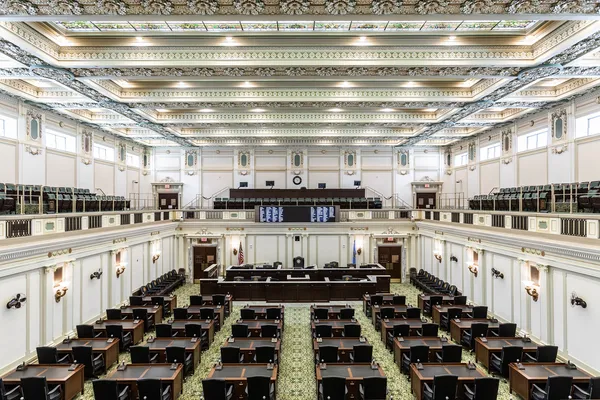
Committee cutoff reshapes the Legislature’s agenda
Oklahoma lawmakers closed a high-volume week at the Capitol as the second regular session of the 60th Legislature moved through a major procedural checkpoint: the deadline for measures to advance out of their committees of origin. Bills that cleared the cutoff remain eligible for consideration by the full House or Senate, while measures that did not advance generally face long odds of moving this year without being revived through procedural alternatives.
The committee deadline is an early-season filter that narrows thousands of filed proposals into a smaller set of measures positioned for floor votes. It also serves as a negotiating inflection point, as leadership and rank-and-file members shift from committee hearings into chamber calendars, floor amendments, and increasingly budget-driven decision-making.
Immigration-related eligibility checks move forward
Among the measures advancing are proposals that would expand how Oklahoma agencies verify eligibility for certain public benefits and how they communicate with federal authorities when an applicant’s immigration status cannot be confirmed.
Two bills approved in the House would require state agencies administering programs such as SNAP and Medicaid to use federal verification tools for eligibility screening. The measures also include provisions directing state-level notification steps when an applicant’s status is not verifiable through the prescribed process. Supporters framed the bills as reinforcing program integrity and eligibility standards. Opponents raised concerns in committee debate about implementation, potential administrative burdens, and the risk of discouraging eligible applicants from seeking benefits.
Education funding debate intensifies as Senate plan takes shape
Education financing emerged as another central theme of the week, highlighted by a Senate Republican leadership plan that would fund a package of classroom investments through adjustments to state contributions tied to the Oklahoma Teachers Retirement System. The proposal is structured around redirecting a portion of planned retirement-system funding to support items that include teacher pay increases and targeted academic interventions.
The plan has prompted competing arguments about trade-offs between near-term classroom spending and long-term retirement funding strategy. Lawmakers also face broader fiscal constraints heading into budget negotiations, increasing pressure to identify funding sources that can win support in both chambers.
Judicial selection and other structural proposals remain in play
Separately, a constitutional proposal to restructure how Oklahoma selects judges has continued moving through the process. The measure would alter or replace the current role of the Judicial Nominating Commission by shifting toward an executive appointment model with legislative confirmation. Because it is a constitutional question, it would ultimately require voter approval if passed by the Legislature.
What comes next
Floor scheduling will determine which measures receive full-chamber votes in the coming weeks.
Bills that pass their chamber of origin typically face a second round of committee review after crossing to the opposite chamber.
With the committee deadline now passed, the Legislature’s workload shifts from hearing rooms to floor calendars, where narrower margins and amendment fights often decide a bill’s fate.
Hoops Heaven: Oklahoma City Set for Thrilling Pro Basketball Double-Header
Thunderous Saturday: Hoops, Hits, and the Promise of Spring
Public Notice Roundup: City Council Agendas, Bridge Construction, and Health Advisories