Oklahoma lawmakers renew effort to mandate statewide participation in federal Summer EBT grocery benefits program
A renewed legislative debate over summer nutrition benefits
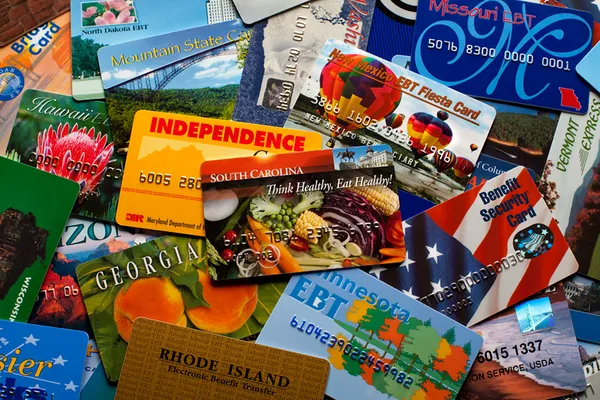
Oklahoma lawmakers have launched a new effort to require the state to participate in the federal Summer Electronic Benefits Transfer for Children program, often called Summer EBT or “SUN Bucks.” The program provides grocery-buying benefits to eligible families during summer months when many children lose regular access to school meals.
The renewed push follows Oklahoma’s recent pattern of declining statewide participation, even as tribal governments have worked to provide a version of the benefit within their jurisdictions. The latest proposal would direct the Oklahoma Department of Human Services to administer Summer EBT and coordinate eligibility and data-sharing with the Oklahoma State Department of Education.
How Summer EBT works and who it reaches
Summer EBT is designed for children who qualify for free or reduced-price school meals. Benefits are delivered on an EBT card usable at authorized food retailers, similar to Supplemental Nutrition Assistance Program (SNAP) purchasing rules. In the program’s first years, the standard benefit level for the contiguous United States has been set at $40 per month for three summer months, totaling $120 per eligible child.
USDA announced the program as a nationwide summer grocery benefit expected to serve tens of millions of children, with states and participating tribal organizations responsible for implementation.
- Benefit structure: $40 per month for three summer months ($120 total) for eligible children in the 48 contiguous states and Washington, D.C.
- Delivery method: EBT benefits used for groceries at authorized retailers.
- Target group: children eligible for free or reduced-price school meals.
Oklahoma’s recent experience: statewide opt-outs and tribal coverage
In recent summers, tribal governments in Oklahoma have stepped in to administer Summer EBT benefits in areas where they have authority to operate the program. Those efforts have provided coverage for many children but have not replicated a full statewide rollout.
Advocacy organizations involved in hunger policy have estimated that more than 400,000 Oklahoma children could qualify under statewide participation, while tribal administration has covered only a portion of that population depending on reservation boundaries and program enrollment capacity.
What the new proposal would change
As introduced, the current legislative proposal would make Oklahoma’s participation a state responsibility, placing administration with Oklahoma Human Services and requiring coordination with the State Department of Education to determine eligibility and operate the program. The measure also ties participation to funding and includes provisions addressing cost-sharing and federal administrative support.
If enacted, the legislation would move Summer EBT from partial, jurisdiction-based availability toward a single statewide system for eligible families.
Key questions ahead
The policy debate now centers on implementation capacity, administrative costs, and whether statewide participation should be mandated by statute. Lawmakers will also weigh how a statewide Summer EBT program fits alongside existing summer meal sites and other nutrition supports already operating when school is out.
Committee action and floor scheduling will determine whether the proposal advances during the current legislative session.