Oklahoma lawmakers weigh data-center impacts, power infrastructure pressures and stalled housing fixes before 2026 session
Legislature returns Feb. 2 with data centers, grid demands and housing policy back on the agenda
Oklahoma lawmakers are heading into the Second Regular Session of the 60th Legislature on Feb. 2, 2026, with three interlocking issues drawing early attention: rapid growth in proposed data centers, the electricity and water infrastructure required to support them, and housing policy debates that carried over after limited progress in 2025.
The House has set the start of session for noon on Feb. 2, with Gov. Kevin Stitt scheduled to deliver the State of the State address. Ahead of that date, lawmakers have already filed hundreds of measures for consideration, setting the stage for an early focus on energy load growth and affordability pressures.
Data centers: economic development meets ratepayer and water questions
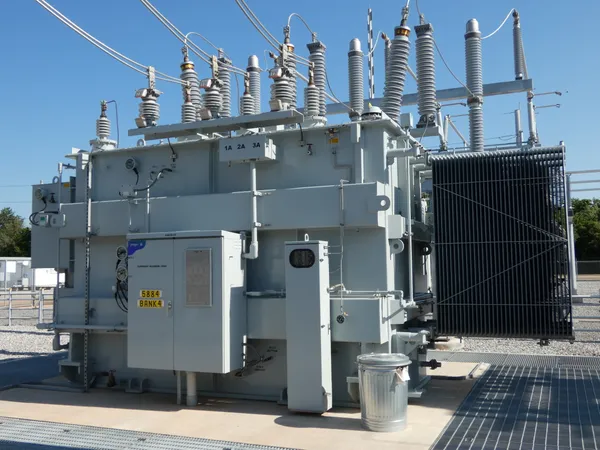
Large-scale data centers—particularly “hyperscalers” tied to cloud computing and artificial intelligence—have become a key policy concern as lawmakers scrutinize how new, high-demand facilities affect the electric grid and local water supplies. During the 2025 interim study period, the House Utilities Committee examined how data center expansion could influence statewide electricity demand and infrastructure planning as well as water usage practices and long-term resource security.
In early January 2026, a new House proposal was filed to address the cost side of that growth. The measure, titled the Data Center Consumer Ratepayer Protection Act of 2026, is intended to require data centers to cover infrastructure costs associated with their significant electricity demands, with the stated goal of preventing those costs from being shifted to residential, small-business and other customers through higher utility rates.
- Policy focus: allocating the cost of new substations, transmission upgrades and other grid investments.
- Resource focus: understanding water demand and available mitigation options as projects scale.
Energy infrastructure: reliability, buildout and property-rights debates
Beyond the direct load from data centers, lawmakers have also signaled interest in broader energy planning topics, including how Oklahoma should meet future electricity needs and how new transmission projects are sited. Interim studies authorized for 2025 included a review of eminent domain for transmission line development, reflecting continuing debate over balancing grid expansion with landowner concerns.
Housing: eviction timelines and workforce housing proposals resurface
Housing is also likely to return as a major topic after the 2025 session produced few enacted changes. In 2025, lawmakers sent a tenant-notice and eviction-timeline bill to the governor. Senate Bill 128 would have added five days between summons delivery and an eviction hearing and would have required that summons be served at least seven days before trial. Gov. Stitt vetoed the measure on May 5, 2025.
The debate over eviction timelines has become a recurring proxy for broader questions about housing stability, landlord-tenant procedures and homelessness prevention.
Separately, a proposal to create an Oklahoma Workforce Housing Commission (Senate Bill 275) advanced in Senate committee in 2025 but did not become law, leaving open questions about what statewide structure—if any—will be pursued to coordinate affordable and workforce housing planning in 2026.
What to watch when the session begins
- Whether data-center legislation moves from concepts like cost allocation and transparency into enforceable utility and siting rules.
- How lawmakers address grid reliability and transmission development while navigating property-rights issues.
- Whether housing discussions revive eviction-process changes and broader workforce housing strategies after 2025 setbacks.