Oklahoma liability insurance bill draws fairness questions as lawmakers weigh consumer protections and market impacts
What the bill targets
Oklahoma lawmakers are weighing proposed changes to insurance liability and claim-handling rules amid arguments over whether the approach improves accountability or tilts the playing field in court.
One high-profile proposal, House Bill 2144 (introduced Feb. 24, 2025), would expand who can sue an insurer for alleged bad-faith conduct and add specific grounds for civil actions tied to claim processing and pre-authorization timelines. The bill summary describes a framework allowing insured individuals and certain third-party beneficiaries to bring bad-faith actions in district court over refusals or delays, while also limiting policy language that gives insurers discretion to interpret terms or determine eligibility for benefits.
Why critics call it a fairness issue
Fairness concerns center on whether the measure changes legal leverage between insurers, policyholders and other parties connected to claims. Critics have raised multiple process and courtroom concerns about the structure described in the bill materials and legislative analyses.
Two-track liability: The proposal would create a statutory cause of action for bad faith without fully replacing common-law remedies, raising questions about overlapping claims and inconsistent outcomes.
Expanded standing: By broadening the definition of third-party beneficiaries, the bill could allow more categories of claim-connected parties—such as providers and lienholders—to sue, potentially increasing the volume of litigation.
Limits on early case resolution: Provisions discussed in legislative coverage include restrictions on summary judgment in bad-faith cases, which could push more disputes toward trial rather than being resolved earlier by a judge.
Supporters’ case: stronger consumer leverage
Supporters describe the proposal as a consumer-protection measure intended to create clearer standards for insurer conduct and to deter unreasonable denials or delays. The bill summary outlines recoverable harms that include financial losses and non-economic injuries such as emotional distress and reputational damage, with punitive damages available under specified levels of misconduct. The measure, as introduced, would not apply to workers’ compensation policies.
How this fits into Oklahoma’s broader insurance debate
The fairness dispute over liability and litigation standards is unfolding alongside other insurance-related legislation that targets costs and claim practices. In 2025, Oklahoma enacted House Bill 1084, which restricts post-loss “assignment of benefits” agreements in many property-damage contexts for auto and property policies. State lawmakers framed that change as a response to inflated repair costs and litigation tied to third parties taking control of claims, while still allowing direct payment authorizations and carving out exceptions for certain financial relationships.
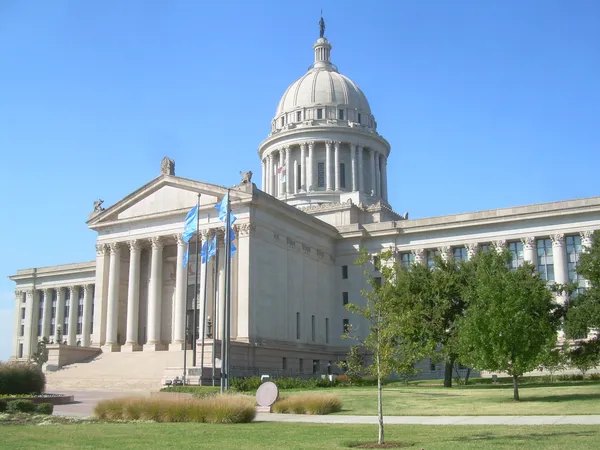
At the Capitol, the central policy question remains whether expanding courtroom remedies meaningfully improves claim outcomes for consumers or primarily increases legal exposure and costs that could reverberate through premiums.
What happens next
HB 2144’s future depends on legislative action and potential revisions that could narrow or clarify who may sue, how claims proceed in court, and what standards apply to insurer decision-making. For policyholders, businesses and insurers, the outcome will influence not only how disputes are litigated but also how claims are documented, negotiated and resolved across Oklahoma’s insurance market.