Oklahoma narcotics officials warn nitazenes, a potent synthetic opioid, are now appearing in the state
A new class of opioids is complicating an already lethal drug market
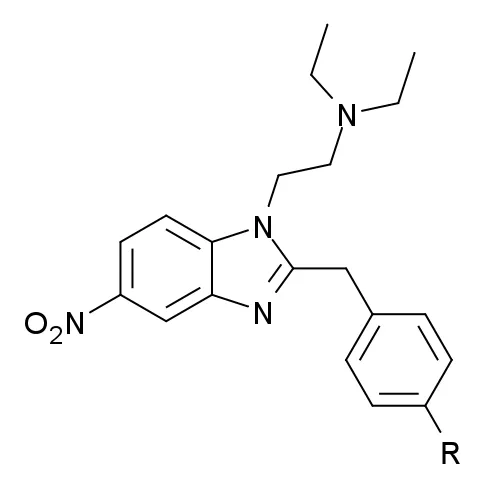
Oklahoma narcotics officials are warning that nitazenes, a group of synthetic opioids that can be more potent than fentanyl, are being detected in the state. The development comes as fentanyl remains widespread in Oklahoma’s illicit drug supply and overdose deaths continue to be driven by mixtures of multiple substances.
Nitazenes were first developed decades ago but never became approved medicines in the United States. In illicit markets, they have appeared in powders and in counterfeit pills made to resemble prescription opioids, increasing the risk that users may unknowingly take an opioid dose far stronger than expected.
What nitazenes are and why they raise overdose risk
Nitazenes are chemically distinct from fentanyl but can produce similarly powerful opioid effects. Oklahoma narcotics officials have emphasized that potency can vary by compound, and that small amounts can be dangerous. Because they are opioids, naloxone can still be lifesaving in an emergency, but high potency may require repeated doses and sustained rescue breathing until emergency help arrives.
Officials also warn that the growing complexity of the drug supply is not limited to opioids alone. Non-opioid sedatives and tranquilizers have increasingly been identified in street drugs nationally and in Oklahoma, and these substances can worsen respiratory depression, prolong sedation, and complicate overdose response.
- Counterfeit pills may contain nitazenes, fentanyl, or both, regardless of markings.
- Illicit opioids may be mixed with non-opioid sedatives, increasing medical risk.
- Overdose response may require more than one naloxone dose and immediate 911 activation.
How Oklahoma is responding through enforcement and legislation
State narcotics officials have paired public warnings with efforts to keep pace with rapid drug-market changes. The Oklahoma Bureau of Narcotics brings proposed “chemical bills” to lawmakers aimed at adding newly identified substances to controlled lists so possession and trafficking cases can be pursued when compounds appear in seizures. In late February 2026, the agency supported legislation targeting roughly 10 sedatives that have been found in street fentanyl in other states, with the goal of acting before wider penetration into Oklahoma.
Overdose trends show fentanyl’s dominance and an evolving threat landscape
State public health surveillance has documented fentanyl’s growing role in opioid deaths. Oklahoma health data indicate unintentional overdose death rates rose sharply from 2020 through 2023, followed by a decline in 2024; within opioid-related deaths, fentanyl accounted for the large majority in 2024. Separately, Oklahoma’s statewide drug threat reporting has described fentanyl as broadly present across seized drugs and has flagged nitazenes and xylazine as emerging concerns within the illicit market.
Key public-safety message: assume any non-prescribed pill or powder may contain fentanyl or other high-potency opioids, and treat any suspected overdose as a medical emergency.
Public health officials continue to emphasize prevention measures that can reduce fatalities, including wider access to naloxone, prompt emergency response, and treatment services for opioid use disorder.