Oklahoma proposal would expand courtroom camera access, raising questions on fair-trial rights and uniform statewide rules
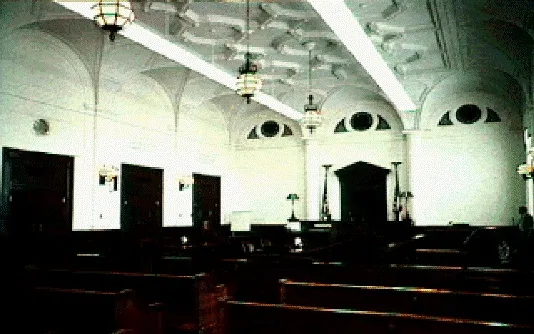
Proposal targets wider public access to court proceedings
An Oklahoma legislative proposal would move the state toward broader use of cameras in courtrooms, framing the change as a transparency and accountability measure. The effort comes as lawmakers enter the 2026 session with multiple initiatives centered on openness in government operations, including measures aimed at expanding public access to records and meeting information.
In Oklahoma, public access to court proceedings has long been grounded in open-court principles, while camera access has historically been more limited and dependent on the presiding judge and local courtroom rules. Media organizations and transparency advocates have periodically pressed for clearer statewide standards governing video coverage and electronic access.
How camera access has worked in Oklahoma courts
Oklahoma courts have previously operated under judicial conduct provisions and district-level rules that, in practice, can restrict or condition the use of cameras and recording equipment. Case law has also underscored that camera coverage in criminal matters can be curtailed to protect defendants’ fair-trial rights, and that a trial judge has discretion to manage courtroom decorum, the protection of jurors and witnesses, and the integrity of proceedings.
Separately, Oklahoma has expanded the use of technology for court operations in other contexts. State law authorizes district courts to use videoconferencing for a range of proceedings under specified conditions, including requirements related to recordings and participant rights. These provisions reflect a broader modernization trend, though videoconferencing for participation is distinct from public broadcasting or livestreaming of hearings.
Key issues the Legislature will likely confront
Uniform standards vs. local discretion: A statewide approach could reduce the patchwork of district-by-district practices, but would need to define when coverage is permitted and who sets operational rules.
Fair-trial protections in criminal cases: Any expansion of cameras in courtrooms must account for defendants’ due-process rights and the potential effects on jurors, witnesses, and testimony.
Privacy and safety concerns: Courts routinely handle sensitive matters—including cases involving minors, victims, or protected witnesses—raising questions about redactions, limited coverage, or closed portions of proceedings.
Administrative and cost considerations: If courts are expected to provide official feeds, store recordings, or manage public viewing logistics, the plan could require funding, technical standards, and staff capacity.
Broader transparency landscape
The courtroom-camera debate in Oklahoma unfolds alongside national and state-level discussions about what “open government” should look like in practice. At the federal level, legislation has been filed in Congress that would require television coverage of U.S. Supreme Court open sessions unless a majority of justices finds coverage would violate due-process rights in a particular case—an approach that illustrates how transparency proposals often incorporate a case-by-case safeguard.
Any Oklahoma bill advancing courtroom cameras will be tested on whether it expands public access while maintaining fair-trial protections and consistent, workable courtroom rules.
What happens next
The proposal’s legislative path will depend on committee action, floor scheduling, and negotiations with court administrators and judicial leadership. The central policy question is not whether courts should be open—most are—but whether Oklahoma should adopt a clearer statewide framework for video coverage, and how it should balance transparency with the constitutional and practical demands of adjudicating cases.