Oklahoma Republican proposes Open Legislature Initiative to extend open-meeting rules and new lobbyist disclosures
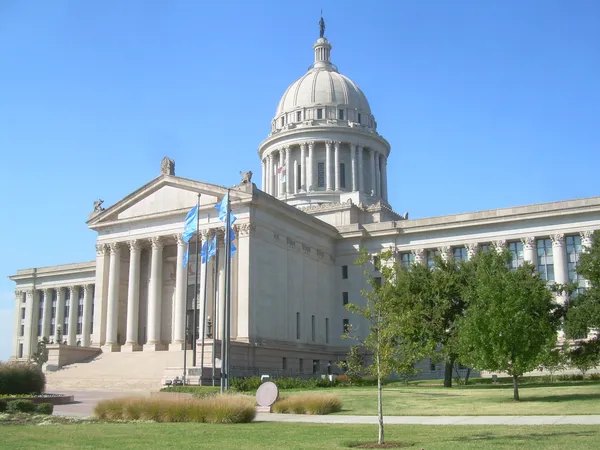
Proposal would apply state transparency standards to legislative bodies and add disclosure requirements
An Oklahoma House member has filed legislation that would place the Legislature under the same open-meetings requirements that apply to many other state and local public bodies, while also adding new disclosure rules tied to lobbyist influence and lawmakers’ nondisclosure agreements.
House Bill 3842, titled the Legislative Transparency, Accountability, and Open Meetings Act of 2026, was authored by Rep. Tom Gann, R-Inola. The bill is eligible for consideration when the Second Regular Session of the 60th Oklahoma Legislature convenes on Feb. 2, 2026. If enacted with an emergency clause, the bill sets a July 1, 2026, effective date.
What meetings would be covered
The proposal would apply the Oklahoma Open Meeting Act to the Oklahoma House of Representatives, the Oklahoma State Senate and a broad set of legislative entities, including standing and special committees, joint committees, conference committees, task forces, working groups and interim studies. It also covers any body created by either chamber for the purpose of conducting public business.
- Advance public notice and agendas would be required for covered meetings, mirroring state open-meeting procedures.
- Public observation and recording would be permitted.
- Minutes or audio/video records would be required and posted online within seven days.
- Votes would be prohibited outside open-meeting compliance, with an exception for constitutionally authorized caucus meetings where no official action or procedural vote is taken.
The bill states that any action taken in violation of its open-meeting requirements would be invalid and without force of law, potentially creating litigation risk if a court were asked to determine whether a particular gathering constituted a covered “meeting” or whether an action was taken improperly.
New “Lobbyist Impact Statement” requirement
HB 3842 would require a lawmaker to file a Lobbyist Impact Statement when the member has received certain reportable benefits from a registered lobbyist or lobbyist principal within the preceding 12 months and the benefit materially relates to a bill or resolution the member authored, coauthored, sponsored or advocated.
The filing deadline would be within five days of bill filing or assumption of authorship. The statement would identify the lobbyist or principal, the nature and amount of the benefit and the connection to the legislation, and it would be posted publicly with the bill text.
Nondisclosure agreements: disclosure and limits
The bill also addresses nondisclosure agreements signed by legislators. It would require an NDA Disclosure Statement within five business days and make those disclosures public records posted online. The measure further provides that an NDA cannot restrict a legislator’s ability to communicate with constituents, disclose information necessary to legislative deliberation, vote on legislation or appropriations, or inform other elected officials or staff about issues arising from official duties. Any NDA that attempts to impose such restrictions would be void as against public policy.
Under the proposal, failure to file required lobbyist or NDA disclosures would constitute a misdemeanor punishable by a $1,000 fine and could result in removal from committee assignments until the filing is completed.
Context and next steps
The filing comes amid heightened attention on public-access rules and closed-session authority across Oklahoma government. In recent months, questions have also been raised publicly about the use of executive session by the state’s Legislative Compensation Board before it voted on salary increases for state officials.
HB 3842 has received a first reading in the House, and its future will depend on committee consideration and whether legislative leadership advances it for floor votes during the 2026 session.