Oklahoma Senate advances teacher pay raise plan as lawmakers debate pension funding and classroom priorities
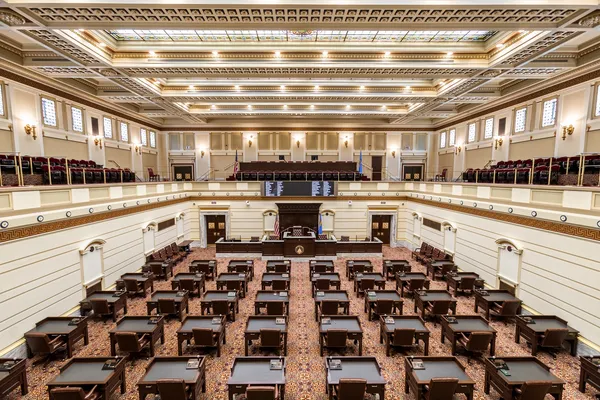
What the Senate approved
The Oklahoma Senate has advanced a plan aimed at increasing teacher pay while financing a broader package of education initiatives during the 2026 legislative session. The proposal centers on an across-the-board raise for public school classroom teachers, paired with additional investments tied to reading and math improvement strategies.
The framework presented by Senate leaders would fund the pay raise and related education items by redirecting a portion of state revenue currently dedicated “off the top” to the Oklahoma Teachers’ Retirement System (OTRS). Under the plan, a yearly subsidy deposit into the retirement system would be capped at $200 million, with the remainder made available for legislative appropriation to education priorities.
How the plan would be paid for
Senate budget writers have described the approach as revenue-neutral in the sense that it does not rely on new taxes or a new dedicated funding stream. Instead, it modifies how certain dedicated revenues are allocated between the pension system and the state’s general funding decisions.
Senate leaders have argued that OTRS has stabilized after years of extra deposits that began in the early 2000s, and they have said the proposal would not reduce earned retirement benefits. Critics, including legislative Democrats and some education advocates, have raised concerns about whether limiting future deposits could affect long-term pension stability and the system’s capacity to support cost-of-living adjustments for retirees.
What else is included beyond the pay raise
Beyond teacher pay, Senate leaders have outlined a package of classroom and student-support items designed to improve academic outcomes, particularly early literacy. The plan also includes new funding directed through the state aid formula, which districts commonly use for staffing and operational needs.
- Additional state aid funding for school districts through the funding formula
- Expanded literacy programming, including additional resources tied to the Strong Readers Act framework
- State-funded teams or supports intended to expand literacy and math coaching capacity
- Appropriations for instructional materials and reading resources
Political and budget context at the Capitol
The teacher pay plan arrives as House and Senate leaders weigh competing education priorities and negotiate a broader state budget in a year described by lawmakers as tighter than recent cycles. House leaders have signaled they want to review full details of the Senate approach before committing to any reallocation that could affect the teacher retirement system.
Any pay raise approved by the Senate will still require agreement from the Oklahoma House of Representatives and the governor’s signature, meaning final pay changes—and when they would take effect—remain contingent on negotiations later in the session.
Key issue still unresolved: whether lawmakers can boost current classroom spending while maintaining long-term funding expectations for the teacher retirement system.