Oklahoma Senate Bill 1550 would let counties override burn-ban criteria for seven days
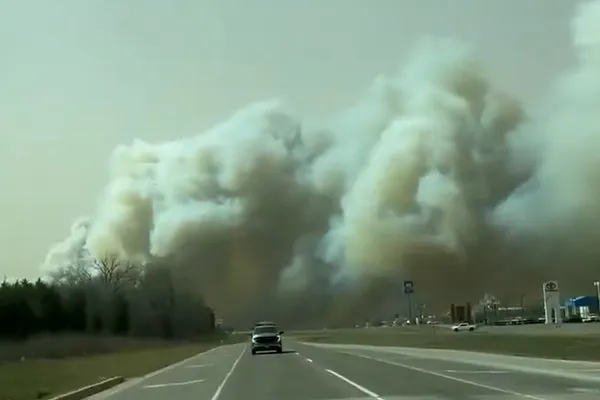
A proposal targeting emergency wildfire decisions
Oklahoma lawmakers are considering legislation that would change how county burn bans can be adopted when officials say wildfire risk is immediate and existing statutory steps could slow action. Senate Bill 1550, introduced for the 2026 regular session, would amend state law governing fire-related prohibitions during drought and extreme fire danger.
The measure is authored by Senate President Pro Tempore Lonnie Paxton. As introduced, the bill is scheduled to take effect on November 1, 2026, if enacted.
How burn bans work under current law
Oklahoma’s burn-ban framework generally operates on two tracks: governor-issued proclamations tied to a drought emergency and county-issued bans adopted by boards of county commissioners.
Governor-issued drought emergency burn bans apply in a county or group of counties when the governor proclaims extraordinary danger from fire. Under state law, a governor’s proclamation supersedes any county burn-ban resolution.
County burn bans require the county commission to pass a resolution declaring a period of “extreme fire danger.” Current statutes define that term using drought and forecast thresholds and additional indicators such as heightened wildfire occurrence or unsuccessful initial attack, with an alternative trigger tied to forecast high temperatures. County burn bans are time-limited and may be renewed.
What SB 1550 would change
The central policy change in SB 1550 is a new emergency authority allowing a county commission to temporarily set aside the statute’s burn-ban criteria in narrowly defined circumstances.
A board of county commissioners could, by unanimous vote and in consultation with the Commissioner of Agriculture, supersede the section for up to seven days.
To use that authority, county officials would need to determine that a significant threat to public safety is imminent and that following the normal provisions would impede the response.
This emergency override is separate from the existing county resolution process, which includes requirements for concurrence from fire-service leadership and limitations on duration. The bill does not eliminate the governor’s authority; a gubernatorial proclamation would continue to override county action.
Operational details and exemptions that remain in law
The underlying statute includes provisions for agricultural producers to conduct certain prescribed burns during a county-issued ban if they follow specified steps, including a written prescribed burn plan and notifications to local authorities. The statute also states those agricultural provisions do not supersede a governor-issued proclamation and do not change burner liability under law.
SB 1550’s added subsection would allow a seven-day, county-level emergency departure from statutory burn-ban criteria after consultation with the state agriculture commissioner.
What happens next
SB 1550 is at the early stage of the legislative process for the 2026 regular session. If the bill advances, lawmakers will weigh whether the proposed seven-day override improves response speed during fast-moving fire threats while preserving accountability and coordination between county government and state-level wildfire and agriculture officials.