Oklahoma Senate debates school library restrictions as bills target pornographic and “sexualized” materials statewide
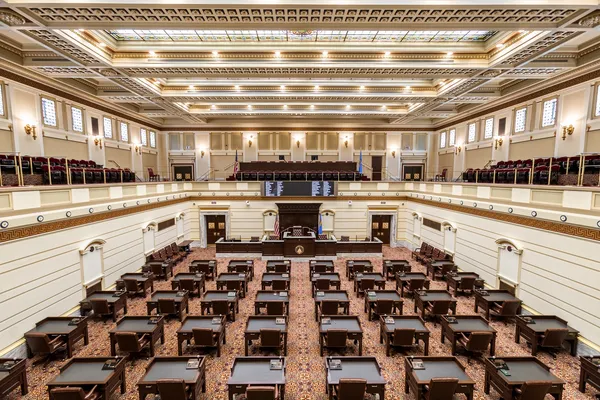
Two measures would expand state oversight of K-12 library collections
Oklahoma lawmakers are advancing proposals that would tighten restrictions on sexually explicit content in public and charter school libraries and increase state involvement in how districts manage library collections. The measures, moving on separate tracks in the House and Senate, reflect an ongoing legislative focus on defining and limiting access to materials considered obscene or inappropriate for minors.
One proposal, Senate Bill 1250, would prohibit school libraries from making “pornographic materials” or “sexualized content” accessible to students under 18. The bill includes definitions that mirror elements commonly used in obscenity standards, including whether material is “patently offensive” under contemporary community standards and whether it lacks serious literary, artistic, educational, political, or scientific value for the youngest students with access.
Inventory submissions and a complaint-driven enforcement pathway
SB 1250 would also require each school district and charter school to submit a complete listing of library materials to the Oklahoma State Department of Education by Oct. 1, 2026, and annually thereafter. Districts could satisfy the requirement by attesting that their public online library catalogs are complete and providing the relevant website information.
The measure sets out a process for parents or legal guardians to report suspected violations. Under the introduced language, the State Department of Education would be required to notify the district or charter school and provide an opportunity to respond within defined timelines, then investigate and issue findings. If a violation is upheld after review that can include a hearing before the State Board of Education, the bill authorizes the board to reflect noncompliance in accreditation reporting.
- Annual statewide reporting deadline: Oct. 1, beginning in 2026
- Scope: school libraries and other student-accessible collections maintained by districts or charters, excluding state-approved textbooks
- Standard: bans access to defined “pornographic” and “sexualized” content for minors
House bill ties school library purchasing to the state’s obscenity definition
A separate measure, House Bill 2978, would amend state law governing school library media programs by removing language that says collections must reflect “community standards” and instead explicitly prohibit acquiring “obscene materials” as defined in Oklahoma statutes. The bill is framed as a change to purchasing and collection standards rather than a stand-alone enforcement system.
HB 2978 lists an effective date of Nov. 1, 2026, if enacted. SB 1250’s framework also centers on implementation in 2026, including the statewide inventory submission schedule.
Legal and practical implications under debate
The proposals create a clearer statutory pathway for defining prohibited content in schools while raising questions about how districts will review materials, maintain catalogs, and respond to complaints within set deadlines.
The bills arrive after years of disputes over school library content and the extent of state authority in K-12 education. If enacted, districts and charter schools would face new compliance duties, including more formalized catalog reporting and policy requirements for reviewing age-appropriateness and handling challenges to specific materials.
Both measures continue moving through the legislative process, where lawmakers are weighing how to define prohibited content, how to administer oversight across hundreds of school sites, and how to balance uniform statewide standards with local decision-making on library collections.