Oklahoma Senate opens 2026 session amid intra-GOP clash over conduct, discipline and proposed alcohol rules
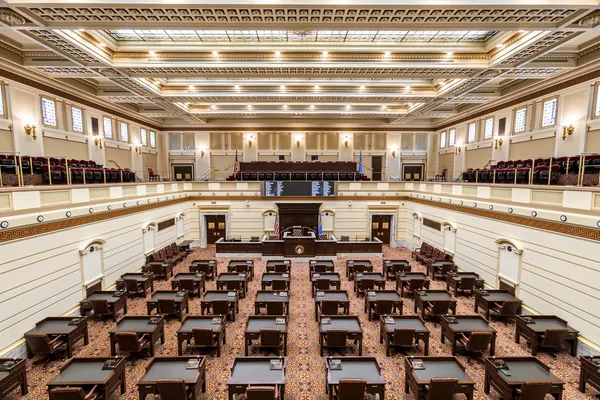
Conflict surfaces as lawmakers return to the Capitol
The start of Oklahoma’s 2026 legislative session has been marked by a public dispute between Republican senators over workplace conduct, chamber discipline, and the limits of internal criticism. The clash centers on Sen. Shane Jett, R-Shawnee, a leader of the conservative Oklahoma Freedom Caucus, and Senate President Pro Tempore Lonnie Paxton, R-Tuttle, who controls key procedural assignments and floor operations.
The dispute escalated after Jett advanced legislation aimed at restricting the possession and consumption of alcohol by lawmakers while they are working. The proposal would also create a mechanism for testing and penalties tied to suspected intoxication. Jett has argued the measure is warranted by what he described as unacceptable behavior during late-night Senate business at the end of the 2025 session.
Leadership removes Jett from posts after allegations
Paxton responded by publicly rejecting Jett’s allegations as unsubstantiated and announced that Jett had been stripped of certain leadership responsibilities. Paxton said Jett was removed as vice chair of the Senate Rules Committee at the request of the committee’s chair and was also barred from serving as a presiding officer, a rotating role that includes running the Senate floor.
Paxton framed the decision as a matter of decorum and internal governance, accusing Jett of making serious claims without evidence and of repeatedly using rhetoric that, in his view, undermined the institution. Jett, for his part, has said he raised concerns with Senate leadership at the close of the 2025 session, while Paxton has maintained the complaint was delivered too late for action at the time.
What the proposed alcohol restrictions would do
Jett’s filed measure would establish a formal process when a lawmaker is suspected of being intoxicated, including administration of a breath test by the Oklahoma Highway Patrol. The proposal outlines escalating consequences for repeated violations, ranging from removal from the chamber for the day and monetary fines to longer expulsions from the chamber and potential removal proceedings for repeated incidents.
The approach also contemplates enforcement responsibilities for the presiding officers of each chamber. The proposal arrives amid existing Senate rules that already prohibit lawmakers from being intoxicated on the Senate floor.
Broader implications for the Senate’s agenda
The dispute highlights tensions within the Republican supermajority as leadership seeks to manage floor procedure and public messaging while members of the party’s most conservative bloc press aggressive oversight and policy demands. With major policy debates expected across taxes, education, and state operations, the Senate now faces the added challenge of resolving internal disagreements without consuming time needed for legislation.
- Senate leadership has taken formal steps to limit Jett’s institutional roles.
- Jett’s proposal would create a testing-and-penalty structure tied to suspected intoxication while working.
- The episode underscores intra-party friction as the session begins.
The legislative session continues under a cloud of procedural conflict that could shape how closely leadership controls floor debate and internal discipline in the months ahead.