Oklahoma Senate sends bill to governor increasing penalties for disrupting worship services and demonstrations
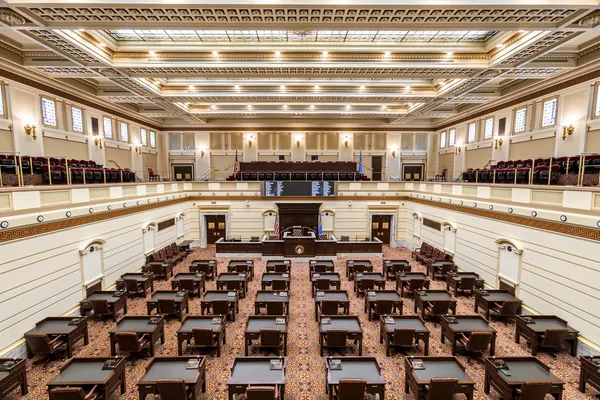
Measure targets intentional disruptions during religious assemblies
The Oklahoma Senate has approved legislation that would expand criminal penalties for people who intentionally disrupt religious worship services, sending the measure to Gov. Kevin Stitt for consideration. The proposal, Senate Bill 743, passed the Senate on Feb. 4, 2026, by a 31-15 vote.
The bill is a carryover from the prior legislative cycle and had already cleared the Oklahoma House of Representatives during the last session. With final Senate passage this week, it now awaits action by the governor.
What the bill would change
Senate Bill 743 addresses “disturbing an assembly of religious worship” by specifying penalties and creating a more severe consequence for repeat offenses.
A first conviction would be punishable by a fine of up to $500, up to one year in a county jail, or both.
A second or subsequent conviction would be a felony, carrying a maximum fine of $1,000 and up to two years in prison.
During consideration of earlier versions of the measure, debate centered on how the bill would apply to demonstrations or protests near worship services and how it would interact with protections for free speech and lawful protest activity.
Legislative debate has focused on free-speech boundaries
Supporters have framed the bill as a response to incidents in which worship services were interrupted, arguing that congregants should be able to meet for religious worship without targeted interference. Backers have also described the bill as reinforcing existing protections rather than creating a new category of offense.
Opponents and civil-liberties critics have questioned whether the approach could sweep too broadly in practice, particularly when protest activity occurs near religious facilities. Earlier legislative discussions also highlighted concerns that the bill’s application could depend on permitting or licensing requirements for demonstrations, raising questions about consistent enforcement across jurisdictions.
Why the measure advanced this year
Lawmakers cited recent disruptions at churches in other states and in Oklahoma as part of the context for moving the proposal forward. The bill’s author has referenced incidents involving demonstrators entering or interrupting worship services as examples of the behavior the legislation is intended to deter.
The bill now goes to the governor, who can sign it into law, veto it, or allow it to take effect without a signature under Oklahoma procedures.
Next steps
If enacted, the bill would increase legal exposure for individuals who disrupt worship services, particularly for repeat conduct that would be elevated from a misdemeanor to a felony. Implementation would depend on charging decisions by local prosecutors and the circumstances surrounding alleged disruptions, including where they occurred and whether authorities determine the conduct meets the legal threshold for “disturbing” a religious assembly.