Oklahoma Storm Damage Spurs State Emergency Updates as Attorney General Presses to Deny Death Row Clemency
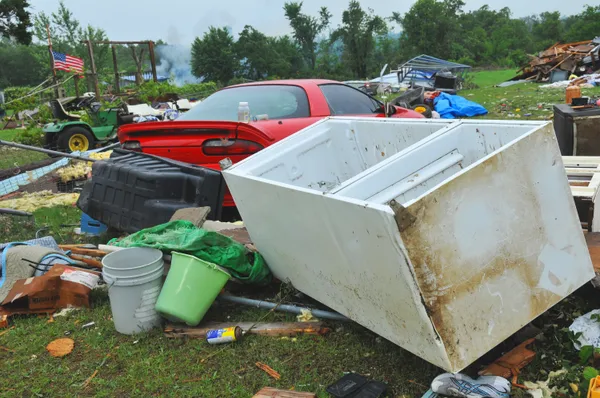
Severe weather response expands as Oklahomans report damage
Oklahoma officials have continued to document storm-related impacts and coordinate assistance after a stretch of severe weather that included tornadoes, straight-line winds and flooding in early March. Gov. Kevin Stitt signed an executive order declaring a state of emergency for eight counties—Alfalfa, Creek, Grant, Major, Okmulgee, Rogers, Tulsa and Wagoner—after storms moved through parts of the state.
The Oklahoma Department of Emergency Management has issued situation updates describing ongoing recovery work and directing residents and business owners to submit damage reports through the state’s online portal. State officials have said the reported impacts include structural damage and other storm losses across multiple jurisdictions, with assessments continuing as additional information is collected from local emergency managers.
- Emergency declaration: Executive Order 2026-11 was issued March 7, 2026, covering eight counties.
- State reporting: Residents have been asked to document damage through the state’s centralized online system to support assessment and resource coordination.
National storm system linked to deadly tornadoes, with Oklahoma among affected states
The severe weather that swept through Oklahoma was part of a broader storm system that affected multiple states. Federal weather assessments and initial damage surveys in the region have cited tornado activity and destructive winds as the system moved east. In Oklahoma, the storms prompted local and state emergency operations, with officials emphasizing continued documentation of damage and the need for residents to follow safety guidance as additional rounds of severe weather remained possible during the same period.
Attorney general urges denial of clemency in death penalty case
Separately, Oklahoma’s clemency process has remained in focus as Attorney General Gentner Drummond continued to argue against relief for certain death-row inmates seeking commutation. In a recent high-profile case, the Oklahoma Pardon and Parole Board voted 3-2 to deny clemency for John Fitzgerald Hanson, who was convicted in the 1999 killing of a Tulsa woman. The denial cleared the way for an execution date to proceed under state scheduling.
Drummond’s office has maintained that the death sentence in such cases reflects jury findings and court judgments that have already been reviewed through the legal process. Clemency proceedings, which involve victim-impact statements and presentations from both prosecution and defense, are separate from judicial appeals and are intended to advise the governor on whether to reduce a sentence.
Clemency decisions in Oklahoma are shaped by a two-step process: the Pardon and Parole Board’s vote to recommend or deny relief, followed by the governor’s final determination when a recommendation is issued.
What to watch next
In storm recovery, officials are expected to continue compiling damage figures and coordinating with county emergency managers as assessments mature. In the clemency arena, additional hearings and board decisions are scheduled periodically, with outcomes that can influence execution timelines and potential litigation over procedure.