Oklahoma utilities outline readiness plans as extreme weather threatens power demand and system reliability statewide
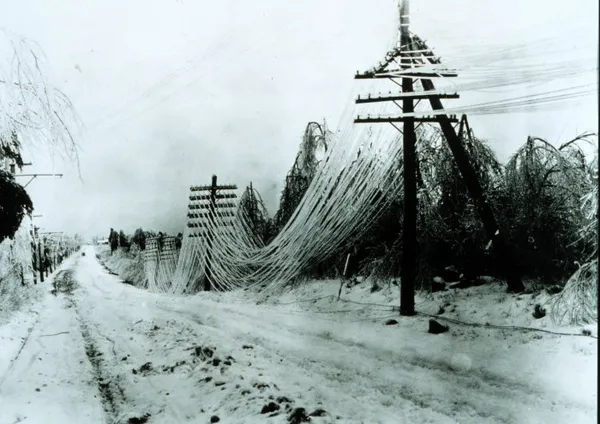
Utilities brace for higher winter loads and potential disruptions
Oklahoma’s major electric providers say they have positioned crews, strengthened infrastructure and refined operating plans ahead of periods of extreme weather that can drive electricity demand sharply higher and increase the risk of equipment failures. The preparations come as grid operators continue to warn that severe cold can tighten regional power supplies, especially when multiple states experience high demand at the same time.
Oklahoma is part of the Southwest Power Pool (SPP), the regional organization that coordinates reliability and operates the wholesale electricity market across a 14-state footprint. During prior cold snaps, SPP has issued weather and resource advisories to alert utilities and power producers to elevated reliability risks, including uncertainty in wind generation output, unusually high peak loads, and the potential for higher-than-normal generator outages. These advisories are designed to increase operational readiness and coordination, even when the system remains in normal operating conditions.
What utilities say they have changed since Winter Storm Uri
Oklahoma Gas and Electric (OG&E) has described a series of post-2021 steps aimed at reducing winter vulnerability and limiting customer exposure to fuel price spikes. The company has reported increasing on-site fuel storage and locking in a portion of fuel purchases, alongside winterizing power plants and continuing grid-strengthening work intended to improve resilience during sudden temperature drops.
Public Service Company of Oklahoma (PSO), which serves large portions of eastern and southwestern Oklahoma, has said it plans year-round for extreme conditions and reviews equipment and procedures ahead of each winter season, making additional investments when warranted by those evaluations.
- Operational readiness can include staffing adjustments, staging repair crews and equipment, and coordinating with regional grid operators.
- Infrastructure-focused work can include winterization measures at generating units and targeted upgrades on distribution systems.
- Fuel-related actions may include increasing available fuel inventories and using procurement strategies to reduce exposure to spot-market volatility.
Regional reliability signals and what they mean for customers
SPP’s communications around cold-weather advisories have emphasized that the goal is to prepare the system for stressors that can occur simultaneously: very low temperatures, heating-driven demand, possible fuel supply constraints, and equipment problems. In more severe situations, SPP can escalate to energy emergency alerts, which are used when operating reserves may be at risk and additional actions may be required to maintain reliability.
Weather and resource advisories are operational tools used to raise awareness of reliability risks and to guide readiness steps across utilities and power generators.
Consumer protections during extreme heat
Separate from winter operations, Oklahoma regulators have also highlighted rules that can limit electric disconnections during weather extremes. Under Oklahoma Corporation Commission guidance, disconnect suspensions apply on days when forecast or observed heat index conditions meet specific thresholds, and additional protections exist for customers who can document life-threatening medical needs or show they have applied for qualifying assistance programs.
For households, the practical impact of utility readiness is most visible when extreme weather triggers outages or threatens to. Utilities typically urge customers to report outages directly rather than assuming a neighbor has done so, and emergency management agencies advise residents to keep basic supplies on hand and follow local guidance if power is lost during severe cold.