Oklahoma wildfire and wind impacts: latest damage reports, power outages, and safety guidance for residents
What’s happening
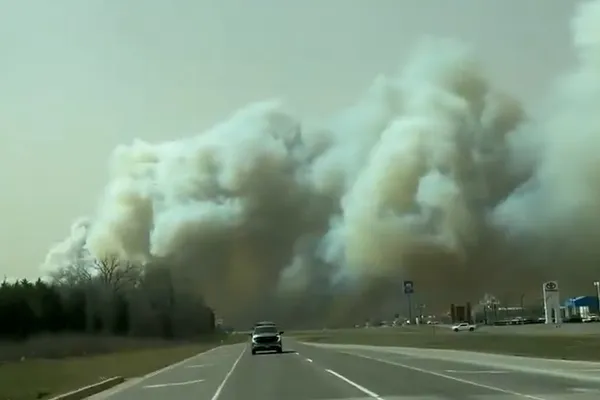
Wind-driven wildfire danger remains a recurring operational challenge across Oklahoma during periods of very low humidity, warm temperatures and gusty winds. In recent weeks, fire agencies have continued issuing heightened fire-weather messaging as conditions periodically align for rapid fire growth, while emergency managers have tracked storm-related damage reports and restoration needs.
Fire-weather conditions behind fast-moving grassfires
Across western and northwestern Oklahoma, recent fire situation reporting has highlighted combinations of hot temperatures, single-digit to low-teen relative humidity and sustained winds capable of pushing head-fire rates of spread typical of grass and rangeland fuels. Under these conditions, ignition sources such as downed power lines, roadside sparks and debris burning can lead to fires that outpace initial attack resources and threaten homes and critical infrastructure.
- Very low humidity increases the likelihood that small ignitions become established.
- Strong, shifting winds can cause rapid changes in fire direction and intensity.
- Warm temperatures and cured grasses can increase flame lengths and spotting potential.
Wind damage and power outages: what the data show
Power disruptions tied to high-wind events can be highly localized and change quickly as utilities isolate damaged lines and restore service. A statewide outage tracker showed a relatively low number of customers without power in Oklahoma during the most recent update window, indicating that outages at that moment were limited and scattered rather than widespread. Officials have also continued encouraging residents to document storm and wildfire impacts through the state’s damage reporting portal when property is affected.
How response agencies are organizing
Oklahoma’s wildfire response structure relies on local fire departments, state forestry resources and mutual aid when multiple fires occur at once. In recent reporting cycles, forestry and emergency management updates have emphasized the importance of pre-positioning resources, monitoring changing weather, and prioritizing life safety during fast-moving fires—particularly where wind reduces the effectiveness of aerial operations and complicates containment lines.
Residents affected by storms or fire impacts have been directed to submit damage reports to support statewide situational awareness and recovery planning.
Safety guidance for residents during fire and wind events
Emergency officials consistently advise Oklahomans to treat red-flag days as a period of elevated risk, when routine activities can have outsized consequences. Key recommendations include:
- Avoid outdoor burning and postpone activities that can create sparks (welding, grinding, dragging chains).
- If driving, stop immediately if smoke reduces visibility; do not enter smoke-covered roadways.
- Prepare for outages by charging devices, keeping flashlights ready, and maintaining a small supply of water and medications.
- For those in grassfire-prone areas, maintain defensible space by reducing dry vegetation near structures and keeping evacuation routes clear.
As spring approaches, officials expect additional periods where wind and low humidity elevate fire danger, making readiness—both at the household and community level—an ongoing priority.