Oklahoma’s March tornado tally approaches long-standing record, highlighting earlier-season severe weather variability statewide
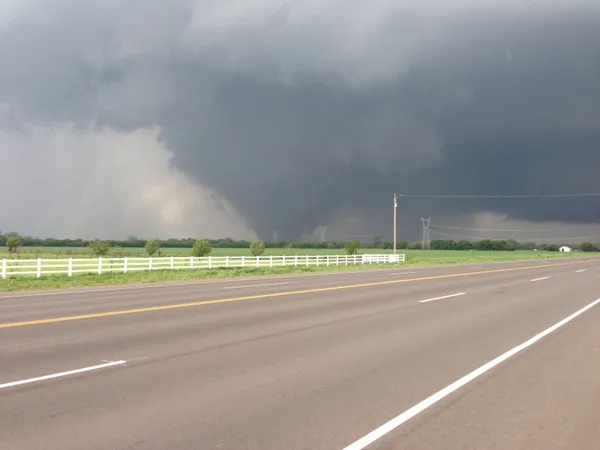
March tornado counts draw renewed attention to Oklahoma’s early-season severe weather patterns
Oklahoma entered March with a tornado pace that has put the state within reach of a long-standing monthly benchmark. State climatological tallies for the modern record period show the highest number of Oklahoma tornadoes in March was 17, set in 1991. That figure has long stood out against a historical baseline in which March is typically a lower-activity month than April and May.
In recent years, March has periodically produced concentrated bursts of severe weather in Oklahoma, sometimes driven by a single multi-day storm system. When that happens, totals can climb quickly because multiple tornadoes may be recorded within a narrow time window, occasionally across the same region as storm surveys are completed and tracks are confirmed.
How tornado numbers are counted and why totals can change
Monthly tornado totals are not simply a count of “warnings” or “reports.” In Oklahoma, tornado statistics are compiled from confirmed events documented through storm surveys and other verification methods. A single storm can generate several tornadoes, and a single tornado can cross county lines, requiring careful review to avoid double counting or missing separate circulations.
Preliminary numbers can shift as damage surveys refine tornado start and end points and assign ratings.
Counts may differ depending on whether they refer to confirmed tornadoes versus initial reports and spotter submissions.
Some tornadoes occur at night or in rural areas, where confirmation can take longer.
Historical context: the 1991 benchmark and notable March spikes
March 1991 remains the reference point for a record-high March tornado count in Oklahoma. Within that month, one date in particular—March 21, 1991—stands out in the state’s calendar-day tornado statistics as an exceptional day for tornado occurrence.
March tornado activity in Oklahoma has historically been more variable than peak-season months, with occasional high-impact clusters separated by quieter years.
That variability is part of why comparisons to “records” require precision: a month can feel unusually active based on high-profile outbreaks or localized damage, while the statewide confirmed count may still land below the historic high once surveys are finalized.
What the current trend means for preparedness
While April and May remain Oklahoma’s most active months on average, elevated March activity reinforces that severe weather readiness is not confined to a single part of the spring. Emergency managers and forecasters emphasize lead-time planning—shelter access, multiple ways to receive warnings, and clear family response plans—because early-season events can occur during overnight hours or amid rapidly changing conditions.
As March totals are updated with confirmed surveys, the final count will determine whether the state matches or surpasses the 1991 record of 17 tornadoes in a single March.