Red Flag Warnings Return as Oklahoma’s Fire Danger Shifts From West Tuesday to Central Wednesday
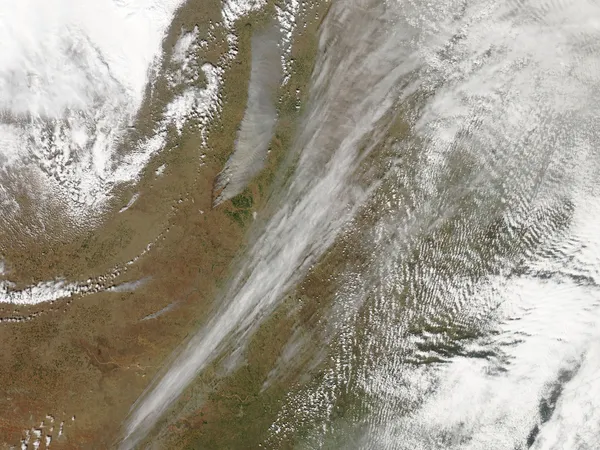
Another round of critical fire weather takes shape across Oklahoma
Oklahoma is moving through another multi-day stretch of heightened wildfire potential as dry air, gusty winds and seasonably warm temperatures combine to raise fire danger across much of the state. The most acute threat has been focused on western Oklahoma, with conditions expected to expand and shift east into central Oklahoma on Wednesday, Feb. 18.
Forecasters and fire officials typically treat “red flag” days as periods when any ignition can grow quickly and become difficult to contain, particularly in grassland fuels common across large portions of the state. These conditions are driven by a combination of low humidity, strong winds and dry vegetation.
How conditions are expected to evolve: Tuesday through Thursday
Tuesday, Feb. 17: Red flag conditions were concentrated in western Oklahoma during the daytime hours, with strong winds and very low humidity behind a dry line elevating the threat in the far west and Panhandle. Elsewhere, fire danger remained present statewide because of wind, even where humidity was somewhat higher.
Wednesday, Feb. 18: The critical zone is expected to push east as humidity drops in central Oklahoma. While winds may be less extreme than Tuesday in some areas, the combination of persistent breeziness and lower humidity is expected to increase the potential for rapid fire spread, including around the Oklahoma City metro.
Thursday, Feb. 19: The pattern is expected to keep fire danger elevated in portions of the state as dry, warm and windy conditions continue, extending the window for new starts and challenging suppression on any ongoing fires.
What red flag warnings mean in practical terms
Red flag warnings are used when weather and fuel conditions align to support fast-moving wildfires. In Oklahoma, the main operational concerns during these periods include rapid rates of spread in grasses, long-distance spot fires driven by wind, and limited opportunities for crews to establish and hold containment lines.
On red flag days, small sparks—whether from equipment, discarded smoking materials, trailer chains, or debris burning—can start fires that spread quickly under wind and low humidity.
Risk management focus: prevention and readiness
During critical fire weather, the most effective risk reduction is preventing ignitions. That can include postponing outdoor burning, avoiding activities that generate sparks, and ensuring vehicles and equipment are maintained to reduce mechanical ignition risks. For residents in rural areas or near open grassland, readiness commonly centers on keeping defensible space around structures, maintaining access for emergency vehicles, and staying alert for rapidly changing conditions as winds shift.
With the higher-risk corridor projected to transition from western Oklahoma on Tuesday into more central areas on Wednesday, emergency managers and fire departments often prepare for new starts outside the previous day’s core threat zone, where public vigilance may be lower.