Rep. Kevin Hern launches bid for Oklahoma U.S. Senate seat as Markwayne Mullin departs
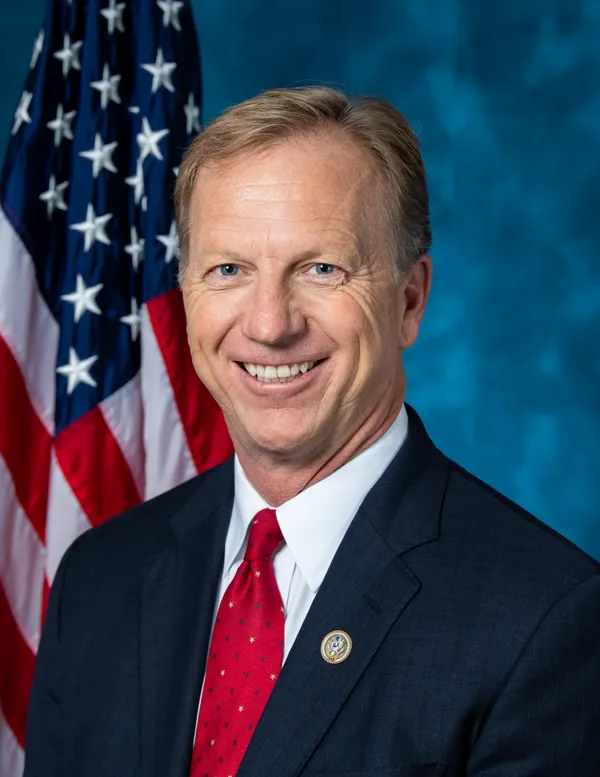
Hern enters a rapidly shifting Oklahoma political landscape
U.S. Rep. Kevin Hern, a Republican who represents Oklahoma’s 1st Congressional District, is preparing to run for the U.S. Senate seat now expected to open as Sen. Markwayne Mullin moves toward an executive-branch role. The Senate contest is unfolding amid overlapping timelines: a federal confirmation process in Washington and a state election calendar that begins candidate filing on April 1 and runs through April 3, 2026.
Mullin’s seat became the subject of immediate attention after President Donald Trump announced on March 5, 2026 that he would nominate Mullin to serve as secretary of the Department of Homeland Security. If Mullin resigns following confirmation, Oklahoma law provides for an interim appointment by Gov. Kevin Stitt until voters select a successor at the next election.
How the vacancy would be filled under Oklahoma law
Under a statute enacted in 2021, the governor is expected to appoint a temporary U.S. senator to serve until a statewide election determines who will hold the seat next. The same law requires the appointee to sign a sworn statement committing not to run for the seat in the immediate next election. The mechanism is designed to limit the electoral advantage typically associated with incumbency during a short interim tenure.
- Candidate filing for Oklahoma’s 2026 elections is scheduled for April 1–3, 2026.
- If the seat is formally vacated, the governor appoints an interim senator.
- The appointee is required to pledge not to seek the seat in the next election.
What Hern’s move changes in Washington
Hern’s decision has implications beyond Oklahoma. He currently holds a leadership role in the U.S. House Republican conference as chair of the Republican Policy Committee. His Senate run would trigger a contest for that leadership position, adding an additional layer of political maneuvering inside the House at a time when leadership posts are closely watched for their influence over policy and messaging.
The developing Senate race is also expected to reshape Oklahoma’s congressional map, because a successful Senate campaign would ultimately leave Hern’s Tulsa-area House seat open.
Next steps and the emerging field
With the filing period approaching, the Republican primary is expected to be the decisive contest in a state that has voted reliably Republican in recent federal elections. Other Republicans have been publicly discussed as potential contenders as attention focuses on both the open seat and the governor’s pending appointment. The practical sequence now hinges on the timing of Mullin’s confirmation and any resulting resignation, alongside candidate decisions that must be finalized by the early-April filing deadline.
The immediate political questions include how quickly the vacancy occurs, who is selected as the interim senator, and how quickly the major candidates consolidate support ahead of the primary campaign.