Stitt outlines Oklahoma wildfire response as Woodward County evacuations expand and red-flag conditions shift statewide
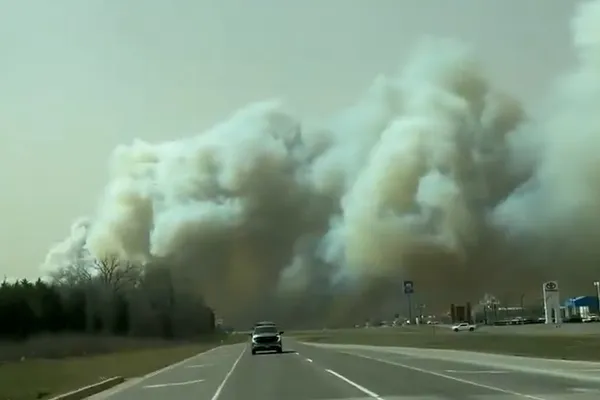
Escalating fire weather drives multi-agency response in western Oklahoma
Oklahoma entered a heightened wildfire posture this week as strong winds, very low humidity and dormant winter vegetation combined to create conditions favorable for rapid fire growth. On Tuesday, Feb. 17, 2026, Gov. Kevin Stitt said wildfires that began in the Panhandle had pushed into Woodward County, prompting evacuations and a concentration of state resources in the region.
In a phone interview after a briefing at the state Emergency Operations Center, Stitt said the town of Tyrone was evacuated and that the primary fire of concern was southwest of Woodward. He said the Oklahoma Highway Patrol was assisting with evacuations and traffic control, while state forestry resources and local firefighters worked to establish containment lines. Stitt also said aircraft were unable to fly because of wind and smoke, limiting aerial firefighting options at a time when wind-driven fire spread can outpace ground crews.
Fire danger forecast expands from western Oklahoma into central and eastern areas
Meteorological forecasts indicated the fire threat was not confined to the west. By Wednesday, Feb. 18, red-flag conditions were expected to expand into central Oklahoma, including the Oklahoma City metro, with continued elevated risk across large portions of the state. A fire weather watch was issued for much of Oklahoma for Thursday, reflecting the potential for another day of rapid ignition and difficult-to-control fire behavior before a cold front could reduce temperatures and increase moisture.
Stitt said state officials were preparing an emergency declaration for the affected area to support mutual-aid requests, including out-of-state resources. He said air assets had been requested from Texas, though near-term use remained constrained by conditions.
What officials say is driving the risk
Across Oklahoma, the immediate drivers described by fire and weather officials included:
- Strong, sustained winds with higher gusts that can accelerate rates of spread and carry embers long distances.
- Low relative humidity that dries fine fuels and increases the likelihood of ignition.
- Dormant winter grasses and vegetation that can burn quickly and continuously under wind.
“Right now, we do not have any reports of homes being damaged in Woodward,” Stitt said Tuesday, while warning that conditions remained dangerous and fast-changing.
Context: Oklahoma’s recent wildfire impacts and preparedness efforts
Oklahoma’s current fire weather concerns follow major wildfires in March 2025 that destroyed hundreds of homes statewide and were linked to at least four deaths. After that outbreak, Stitt formed a statewide Wildland Fire Response Working Group to evaluate mitigation, suppression capacity and interagency coordination, and to develop recommendations for improving readiness and response.
As fire danger shifts across regions this week, officials continued to urge Oklahomans to avoid activities that could spark fires and to follow local evacuation and emergency instructions when issued.