Stitt’s FY 2027 executive budget holds most Oklahoma agencies flat, with targeted health and safety increases
Executive proposal outlines lower overall appropriation level for next fiscal year
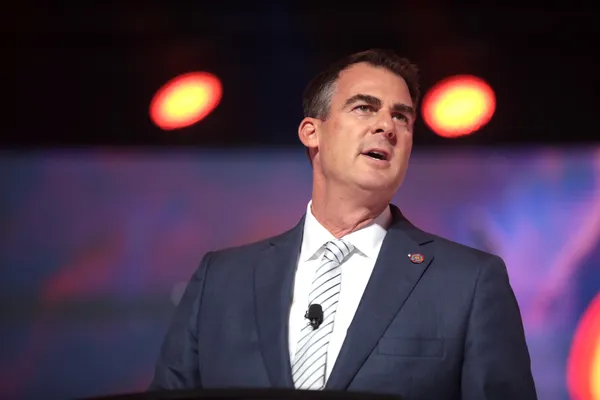
Gov. Kevin Stitt has released an executive budget proposal that would appropriate nearly $11.4 billion for fiscal year 2027, a decrease from nearly $12.6 billion appropriated for fiscal year 2026, which ends June 30. The executive budget serves as an opening framework for legislators as they build the state’s final spending plan during the 2026 session.
The proposal largely keeps agency appropriations unchanged from current levels, with exceptions centered on court-ordered mental health obligations, Medicaid financing pressures tied to changes in federal matching rates, and limited public safety and emergency-fund items.
Mental health consent decree funding reflects ongoing compliance requirements
The plan includes $17 million for the Oklahoma Department of Mental Health and Substance Abuse Services to implement a consent decree aimed at expanding and speeding competency restoration services for people found incompetent to stand trial. The underlying lawsuit focused on indigent defendants who remained in county jails for extended periods while awaiting evaluation and restoration services.
Recent court oversight has documented missed benchmarks in the settlement’s implementation. Federal court activity in 2025 included litigation over potential sanctions, and fines have been imposed under provisions tied to waitlist size and length of delays. The executive budget’s proposed appropriation frames the consent decree as a specific cost driver within an otherwise flat agency approach.
Medicaid-related one-time funds proposed as federal match rates shift
The budget proposes $250 million in supplemental and one-time appropriations for the Oklahoma Health Care Authority, which administers Medicaid. The funding is intended to offset a reduction in the Federal Medical Assistance Percentage used to determine the federal share of costs for eligible programs, while also maintaining existing programs and covering an additional claims week in fiscal year 2027.
The Health Care Authority sought a significantly larger increase than what the executive plan proposes. State appropriations represent a portion of the agency’s overall Medicaid financing, with federal dollars comprising the largest share of program spending.
Public education and CareerTech increases are largely limited to benefits
Stitt’s proposal provides the Oklahoma Department of Education an increase of $23.7 million, directed to employee benefits, while otherwise holding public school spending largely flat. CareerTech would receive a $1.3 million increase, also tied to benefits.
Flat funding for multiple major agencies and small public safety additions
Major state entities listed for standstill budgets include higher education governance, corrections, the attorney general’s office, juvenile affairs, veterans affairs, health, human services, the Legislature, and the governor’s office.
- $6.75 million is proposed for an Oklahoma Highway Patrol trooper academy.
- $1.57 million is proposed to replenish the State Emergency Fund, used to provide financial help during emergencies and disaster recovery.
- $20 million is proposed for the Quick Action Closing Fund, used to support business recruitment and expansion efforts.
Lawmakers are expected to use the executive proposal as a starting point and negotiate changes through the spring, with budget adoption required before the end of May for the fiscal year that begins July 1.
The executive plan is presented against the backdrop of substantial state savings balances held in reserve accounts, which lawmakers may consider as budget negotiations unfold.